Hard water is one of those household problems that tends to sneak up on you. At first, it’s just a few white spots around the faucet. Then the shower door seems permanently covered in residue, soap doesn’t rinse quite right, and the water heater starts collecting scale. Nothing dramatic happens overnight, but eventually you start thinking, “Okay, something needs to be done.”
The good news is that hard water is a common issue, and there are practical ways to manage it. The first step is understanding what hardness actually means and then choosing a treatment system that fits your home’s water conditions.
What Exactly Is Hard Water?
Hard water contains dissolved minerals, mainly calcium and magnesium. These minerals are naturally picked up as water moves through soil and rock before reaching your home.
Hardness isn’t necessarily something you can see immediately. In fact, the water may look completely clear. The problems tend to show up later through mineral deposits, scale, and changes in how soap behaves.
If you’ve ever washed a glass and found cloudy spots afterward, you’ve probably experienced one of the everyday annoyances associated with hard water.
Signs Your Home May Need a Softener
There are several clues that can point toward excessive water hardness. White crust around faucets is a big one. You may also notice scale inside showerheads, stiff-feeling laundry, or soap that seems reluctant to lather.
Over time, mineral deposits can accumulate inside water heaters and other water-using appliances. That buildup can affect efficiency and make routine maintenance more difficult.
For homeowners researching Water Softener Systems in Lancaster, PA, testing the water first is a smart starting point. It helps determine how hard the water actually is rather than relying on appearance or guesswork.
How Water Softeners Work
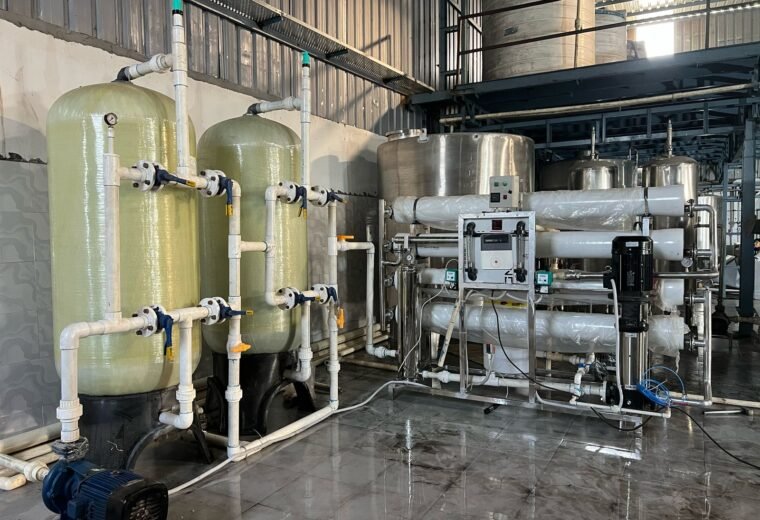
Traditional water softeners generally use a process called ion exchange. As hard water passes through the softener’s resin, calcium and magnesium ions are exchanged for sodium or another ion, depending on the system.
The result is water with reduced hardness.
That can make a noticeable difference around the house. Fixtures may stay cleaner, soap can work more effectively, and mineral scale may be reduced.
However, not every household needs the same size or type of softener. Water usage, hardness level, household size, and plumbing configuration all matter when selecting equipment.
Why Professional Installation Is Worth Considering
Installing a water softener may look straightforward when you’re reading a product manual, but connecting equipment to an existing plumbing system isn’t always as simple as it appears.
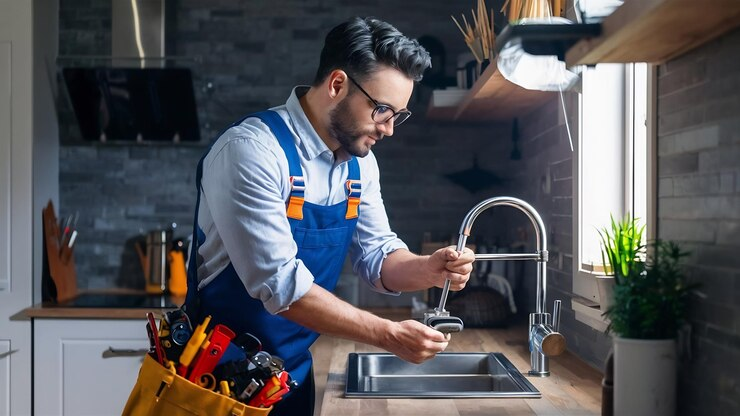
professional water softener installation can help ensure the system is properly sized, connected, configured, and tested before it becomes part of your daily routine.
Professional installation can also uncover issues that might otherwise be missed, such as inadequate drainage, incorrect connections, or a location that makes future maintenance difficult.
Nobody wants to spend money on a good system only to discover that it wasn’t installed correctly.
Local Experience Can Be Valuable
Water conditions can vary considerably from one community to another. Even nearby homes may have different experiences depending on their water source and plumbing.
A provider that has worked locally for many years may have a better understanding of common water concerns in the area. Experience doesn’t guarantee that every home needs the same solution, but it can make the evaluation process more informed.
For homeowners considering a company that has been Proudly Serving Chester County Since 1971, longevity can also provide some reassurance. A long operating history suggests familiarity with local customers and the types of water-treatment challenges they encounter.
Still, it’s always wise to ask questions and make sure the recommended equipment fits your particular water conditions.
Don’t Choose a System Based Only on Price
Price matters, of course. Nobody has an unlimited home-improvement budget. But the cheapest softener isn’t necessarily the least expensive option over time.
Consider the system’s capacity, salt or conditioning requirements, replacement parts, maintenance, installation, and expected lifespan.
A very inexpensive system that needs frequent service may cost more in the long run than a better-designed system that operates reliably for years.
It’s also worth asking about warranty coverage and service availability. Equipment eventually needs attention, and knowing who to call can be just as important as knowing what you paid for it.
Maintenance Keeps the System Working
Once a softener is installed, don’t forget about it.
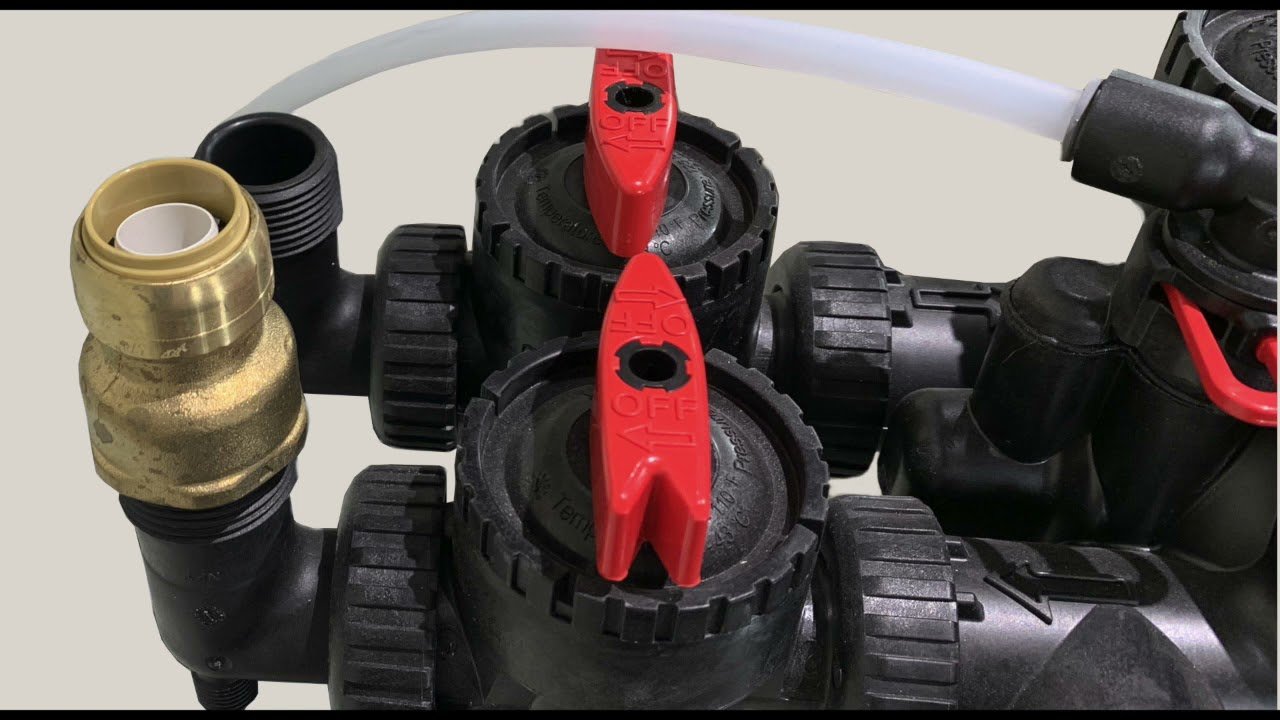
Depending on the system, homeowners may need to monitor salt levels, clean certain components, check settings, or arrange periodic service. Resin beds and control valves can also require attention over time.
Keep an eye on changes in water quality. If scale suddenly starts returning or the water begins behaving like hard water again, the system may not be operating correctly.
Sometimes the cause is simple, such as an empty salt tank or an incorrect setting. Other times, a professional inspection may be necessary.
What About Drinking Water?
Water softeners are designed primarily to address hardness, not every possible water-quality concern.
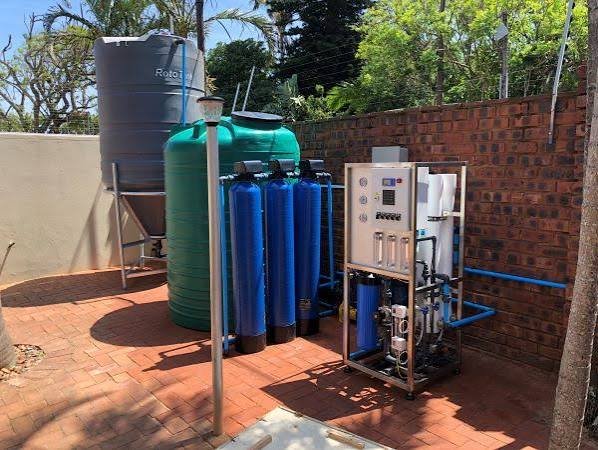
If you’re particularly concerned about drinking water, you may want to consider a separate filtration or purification system. Reverse osmosis, carbon filtration, and other technologies can serve different purposes.
The right approach depends on your water test results and what you’re hoping to improve.
Again, there’s no need to install every technology available. Treat the problem you actually have.
Think About the Whole House
A water softener can influence more than the kitchen faucet. Treated water travels through plumbing and reaches showers, laundry appliances, dishwashers, and water heaters.
That broader effect is one reason many homeowners choose whole-house treatment rather than trying to manage hard water fixture by fixture.
Reducing hardness can make cleaning easier and help minimize scale throughout the property. It won’t eliminate every plumbing problem, but it can remove one persistent source of buildup.
Better Water Starts With Understanding
Choosing a water softener doesn’t have to be complicated. Start by testing your water and understanding the hardness level. Then consider your household’s water usage, available space, maintenance preferences, and budget.
Don’t let a salesperson convince you that the largest or most expensive system is automatically the best. The right system is the one that matches your actual needs.
With proper installation and regular maintenance, a good softener can quietly improve everyday life. Fewer mineral spots. Less scale. Better-feeling showers. Easier cleaning.
And perhaps the biggest benefit is that you stop noticing the water altogether. The faucet works, the appliances do their jobs, and the white crust around the sink finally becomes a thing of the past. Sometimes, the best home improvements are the ones that simply make ordinary days a little easier.