There’s a certain comfort in filling a glass from the kitchen tap without giving it a second thought. Most of us expect clean, safe water every day, yet we rarely stop to consider everything that happens before it reaches our homes. From underground pipes to local treatment facilities and finally through our household plumbing, water travels quite a journey.
That journey can affect what ends up in your glass. Minerals, sediment, chlorine, aging pipes, and local environmental conditions all play a role. While municipal treatment plants do an important job, every home is different, and the water arriving at your faucet may still benefit from additional care. That’s why more homeowners are paying closer attention to the quality of the water they use for drinking, cooking, bathing, and cleaning.
Understanding What Comes Out of Your Tap
Water can look perfectly clear while still containing substances that influence its taste, smell, or overall performance. Hard water, for example, contains dissolved minerals like calcium and magnesium. These aren’t usually harmful, but they can leave stubborn spots on dishes, reduce appliance efficiency, and create buildup inside pipes.
Some homes experience excess chlorine, while others deal with sediment, iron, sulfur odors, or naturally occurring contaminants depending on the local water source. Even neighboring communities may have noticeably different water characteristics.
That’s why understanding your home’s water is the first step toward making informed decisions rather than simply guessing.
Every Home Has Different Water Needs
No two households are exactly alike.
A family with young children may prioritize drinking water quality. Someone with sensitive skin might notice that hard water causes irritation. Older homes may have aging plumbing that affects water taste, while rural properties using private wells often face completely different challenges than homes connected to city supplies.
Professional residential water treatment services help identify these unique concerns instead of recommending one-size-fits-all solutions. Through proper testing and evaluation, homeowners receive recommendations based on actual conditions rather than assumptions.
That personalized approach often delivers better long-term results.
Why Water Testing Matters Before Choosing Equipment
It’s tempting to purchase a filtration unit based on advertisements or online reviews. However, the best system for one household may not be the right choice for another.
Comprehensive water testing provides valuable information about hardness levels, pH balance, mineral content, chlorine concentration, sediment, and other potential concerns. Once those results are available, selecting the appropriate treatment equipment becomes much easier.
Instead of paying for unnecessary features, homeowners can invest in solutions that directly address their specific water conditions.
It’s a practical step that prevents wasted money and unrealistic expectations.
The Benefits of Modern Residential Water Purification
Technology has improved significantly over the past decade, giving homeowners access to highly efficient treatment systems that require less maintenance and offer more consistent performance.
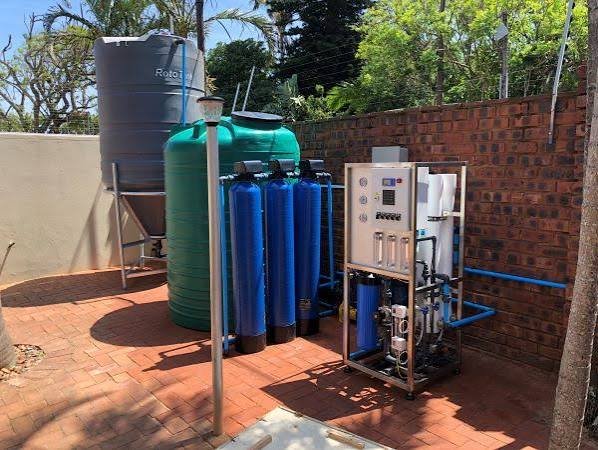
Today’s residential water purification options include activated carbon filtration, reverse osmosis systems, ultraviolet disinfection, water softeners, sediment filters, and whole-house treatment systems. Many properties even combine multiple technologies to achieve better overall performance.
The goal isn’t simply cleaner drinking water.
Proper treatment can improve cooking results, extend appliance lifespan, reduce scale buildup, enhance shower experiences, and make laundry feel softer and cleaner.
In many homes, these small improvements become noticeable surprisingly quickly.
Water Quality Affects More Than Drinking
People often think about drinking water first, but water touches nearly every part of daily life.
It fills coffee makers, washing machines, dishwashers, water heaters, and showers. It washes vegetables, cleans dishes, and helps maintain plumbing fixtures. Poor water quality can gradually affect each of these activities without homeowners realizing the connection.
Hard water forces appliances to work harder. Mineral buildup reduces efficiency inside water heaters. Soap becomes less effective, leading people to use more detergent than necessary.
Improving household water can create benefits that extend well beyond what’s poured into a drinking glass.
Protecting Your Home’s Plumbing Investment
Your plumbing system represents a significant investment, yet it’s often overlooked until repairs become necessary.
Mineral deposits slowly accumulate inside pipes. Sediment can clog fixtures over time. Scale buildup reduces water flow and places additional strain on household equipment.
Routine maintenance combined with properly selected treatment equipment helps reduce these issues before they become costly problems.
The result isn’t just cleaner water—it can also contribute to longer-lasting appliances, fewer plumbing repairs, and more consistent system performance throughout the home.
Convenience Has Improved Dramatically
Many homeowners assume modern treatment systems require constant attention, but that’s no longer true in many cases.
Today’s equipment is designed with convenience in mind. Automatic regeneration cycles, self-monitoring technology, long-lasting filter cartridges, and efficient control systems reduce ongoing maintenance requirements considerably.
Regular servicing remains important, of course, but maintaining a quality system is generally far easier than many people expect.
That convenience has encouraged more homeowners to invest in long-term water improvement rather than relying solely on bottled water.
Choosing a Reliable Water Treatment Provider
Equipment matters, but professional guidance matters just as much.
A reputable provider will begin by understanding your home’s needs rather than immediately recommending expensive products. They should explain testing results clearly, discuss available treatment options, answer questions honestly, and provide ongoing support after installation.
Transparency is often a good indicator of quality service.
Companies that focus on education rather than aggressive sales usually help homeowners make more confident, informed decisions.
Building that trust can make future maintenance and upgrades much simpler as household needs evolve.
Clean Water Supports Everyday Living
It’s interesting how something so ordinary can have such a meaningful impact.
Better water improves simple daily experiences—making tea, preparing meals, taking showers, washing clothes, or filling a reusable bottle before heading out the door. These aren’t dramatic life-changing moments, but together they shape everyday comfort.
Over time, those small improvements add up.
People often notice softer laundry, cleaner dishes, better-tasting beverages, and less frustration dealing with stubborn mineral stains or plumbing issues.
It’s not about perfection; it’s about making everyday life a little easier.
Final Thoughts
Good water isn’t something most of us think about until there’s an obvious problem. Yet waiting for unpleasant tastes, plumbing damage, or appliance failures often means issues have been developing quietly for quite some time.
Learning what’s in your household water, investing in appropriate treatment technology, and working with experienced professionals creates lasting value for both your family and your home. Every property has unique needs, and the right solution should reflect those differences rather than follow a generic approach.
When your water tastes fresh, your plumbing performs efficiently, and your appliances continue running smoothly, the benefits become part of everyday life. It’s one of those home improvements that quietly works in the background—something you may stop noticing after a while, and that’s probably the best compliment any water treatment system can receive.