Most of us don’t think about water unless it looks strange, smells odd, or suddenly stops coming out of the tap. That’s just how daily life works. Water is background noise. It fills the kettle, rinses the dishes, runs through the shower, washes clothes, and disappears down the drain without asking for attention.
But sometimes water does leave little hints. A chalky ring around the faucet. A metallic taste in a glass. Cloudy ice cubes. Dry skin after showering. White spots on clean dishes. These are small things, easy to ignore, but they often point to a bigger story about what’s actually flowing through the home.
Good water is not just about being clear. Clear water can still carry minerals, sediment, chlorine taste, or other unwanted elements. That is why understanding your water is one of the most practical steps a homeowner can take.
Why Guessing About Water Is Never Enough
It’s tempting to diagnose water problems by sight alone. If it smells like chlorine, maybe you need a filter. If it leaves white spots, maybe it’s mineral-heavy. If it stains the sink, maybe there’s iron. Sometimes those guesses are close. Sometimes they are completely wrong.
That’s where water quality testing becomes useful. A proper test gives you facts instead of assumptions. It can help identify hardness levels, pH balance, chlorine, iron, sediment, bacteria, lead, nitrates, or other concerns depending on the type of test used. Once you know what is in your water, choosing the right solution becomes much easier.
Without testing, people often buy products based on advertising or advice from someone with a totally different water supply. That can lead to wasted money and frustration.
The Common Trouble with Mineral-Heavy Water
One of the most familiar household water issues is hard water. It usually contains higher levels of calcium and magnesium, minerals that are naturally picked up as water moves through soil and rock. In many areas, this is completely normal and not always a health concern, but it can be annoying in everyday life.
Hard water can leave scale on taps, showerheads, kettles, and glassware. It may make soap harder to lather and rinse. Laundry can come out stiff. Hair may feel dull or heavy. Dishwashers may leave cloudy marks even when the machine is working perfectly fine.
The problem is not one big dramatic failure. It is a slow collection of little inconveniences that build over time.
What Else Could Be in the Water?
Different homes face different water challenges. City water may carry chlorine taste or odour from treatment processes. Older plumbing can introduce rust or metal particles. Well water may contain sediment, bacteria, iron, sulphur smells, or agricultural runoff depending on the area.
The word contaminants can sound alarming, but it simply means substances in water that may be unwanted or potentially harmful. Some mainly affect taste and appearance. Others may require more serious attention, especially in homes with children, elderly family members, or people with weaker immune systems.
This is why the water source matters. A home connected to a municipal supply has different risks than a home using a private well. Both can be improved, but the right approach begins with knowing the actual problem.
Signs Your Water Deserves a Closer Look
Water issues are not always obvious, but the home usually gives clues. If your kettle builds scale quickly, your water may be mineral-heavy. If your shower smells like rotten eggs, sulphur may be involved. If sinks or toilets develop orange stains, iron could be present. If water tastes like a swimming pool, chlorine may be too noticeable.
Even simple changes should not be ignored. Water that suddenly changes colour, smell, or taste deserves attention. A new stain, a strange odour, or recurring stomach discomfort after drinking from a private well should be taken seriously.
Sometimes the problem is minor. Sometimes it is not. Testing removes the uncertainty.
Better Water Helps the Whole Home
People often think water treatment is only about drinking water, but water touches nearly everything. It affects cooking, bathing, laundry, cleaning, appliances, and plumbing. When water improves, many daily routines become easier.
Coffee and tea may taste cleaner. Ice cubes may look clearer. Soap may rinse better. Towels may feel softer. Shower glass may stay cleaner for longer. Appliances like water heaters, washing machines, dishwashers, and coffee makers may also benefit when scale, sediment, or unwanted particles are reduced.
This is not about chasing perfect water. Perfect is not realistic. It is about making water more suitable for the way your household actually uses it.
Choosing the Right Treatment Option
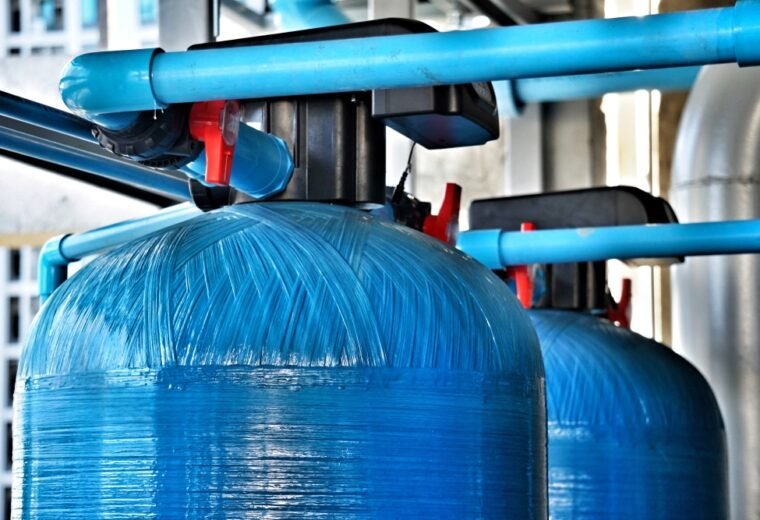
There is no single system that solves every water issue. A carbon filter may help with taste and odour. A water softener may help with hardness. Reverse osmosis may reduce a broader range of dissolved substances. UV systems may be used where bacteria is a concern. Sediment filters can protect plumbing and appliances from particles.
Some homes only need a drinking water solution under the kitchen sink. Others may benefit from a whole-home system. A rural property with well water may need a more customised setup than a small apartment on treated city water.
The best choice is the one that matches the test results, not the one with the flashiest brochure.
Maintenance Matters More Than People Think
Even the best system needs care. Filters must be replaced. Salt levels may need checking in softeners. UV lamps need changing on schedule. Reverse osmosis membranes do not last forever. Ignoring maintenance can turn a good system into an ineffective one.
Homeowners should ask simple questions before installing anything. How often does it need service? What does replacement cost? What does the system reduce? Is it certified for those claims? What happens if maintenance is skipped?
Clear answers matter.
Water Confidence Starts with Knowledge
Good water should feel ordinary in the best possible way. You should be able to fill a glass without doubt, cook without strange tastes, shower without residue, and run appliances without constant scale problems.
The first step is not always buying equipment. Sometimes it is simply paying attention. Notice the signs. Test the water. Understand what is present. Then choose a solution that fits.
A home runs better when the basics are handled well. And water is one of the biggest basics of all.