Water is easy to take for granted until it becomes a business problem. A restaurant needs dependable water for cooking and cleaning. A hotel relies on it for guests and laundry. Manufacturing facilities may use large volumes for production, equipment, cooling, or sanitation.
When water quality or supply becomes unreliable, the effects can spread quickly. Equipment may develop scale, operating costs can increase, and routine work can suddenly become much more difficult. The answer isn’t always the biggest treatment system available. In many cases, it’s about choosing equipment that actually matches the business.
Start With What Your Business Needs
Every commercial property uses water differently. That sounds obvious, but it’s an important point when selecting treatment equipment.
A small office with a few employees doesn’t have the same requirements as a busy restaurant or industrial facility. Water volume, peak demand, source quality, plumbing layout, and the purpose of the water all matter.
That’s why Water Solutions Designed for Your Business should begin with an assessment rather than a sales pitch.
Think about where water is being used and what problems you’re already seeing. Are fixtures developing scale? Is there sediment in the system? Are odors affecting operations? Is equipment requiring repairs more often than it used to?
Those clues can help identify what needs attention.
Test the Water Before Choosing Equipment
It’s tempting to jump straight into shopping for a filtration or softening system. But water treatment works best when you understand the water first.
Testing can provide useful information about hardness, sediment, minerals, metals, pH, and other characteristics. The appropriate tests depend on the water source and the type of business.
For example, a facility dealing with hard water may need to address mineral buildup, while another business might be more concerned about sediment or a specific contaminant.
The point is simple: treat the actual problem, not the one you assume you have.
Customized Treatment Can Make More Sense
Commercial properties often have complicated water needs. Some use water throughout the day, while others have sharp periods of heavy demand.
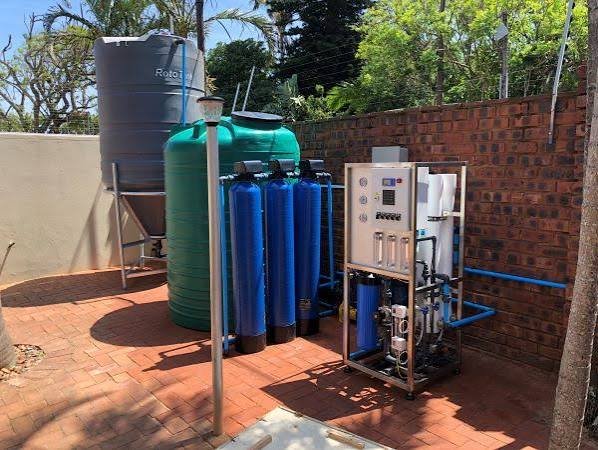
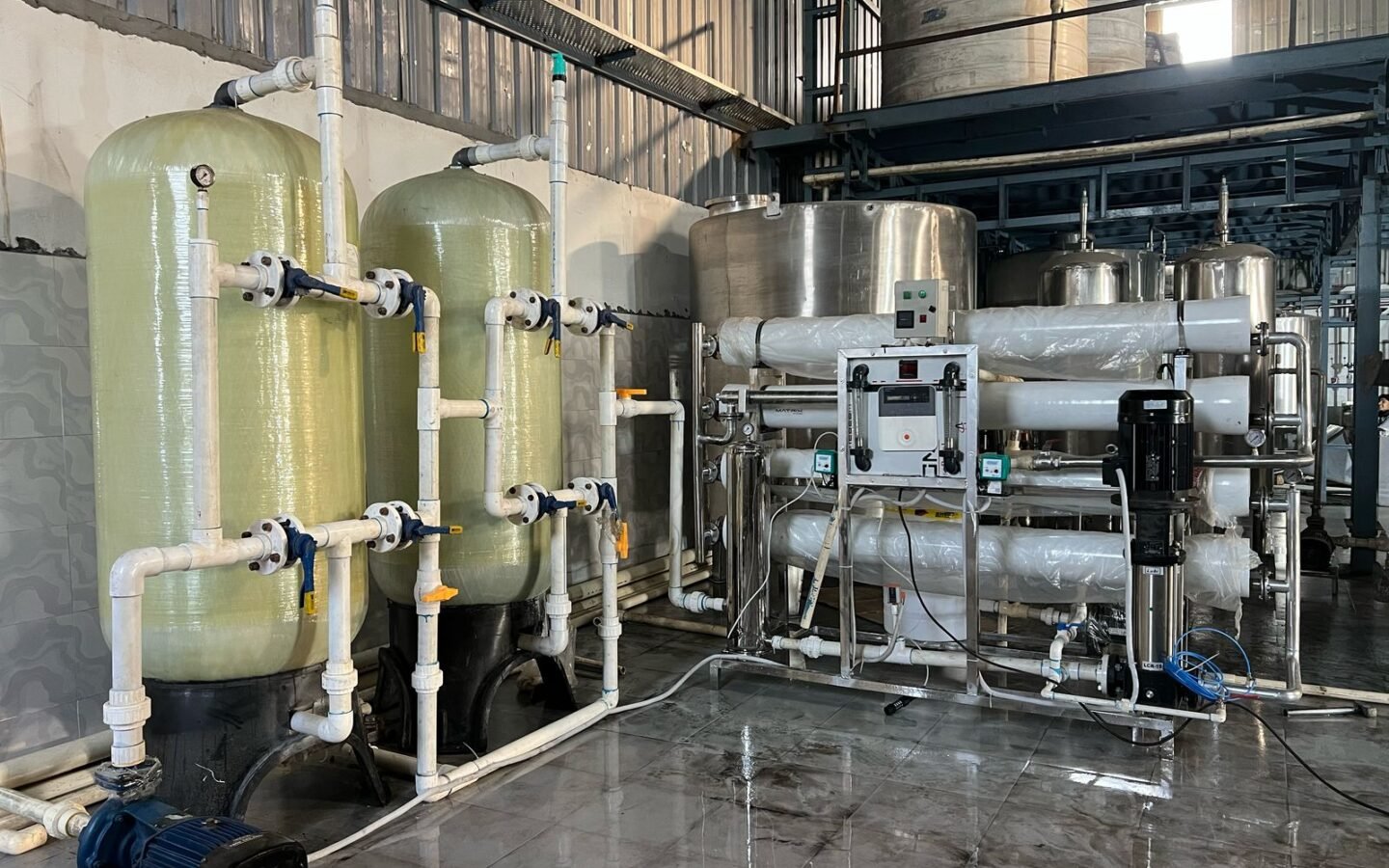
That’s where customized commercial water treatment solutions can be particularly useful. Instead of forcing a standard residential-style system into a commercial environment, treatment can be selected around water volume, usage patterns, equipment, and the quality concerns identified through testing.
A properly sized system can also help avoid unnecessary expense. Oversized equipment can cost more to install and operate, while undersized equipment may struggle when demand increases.
Getting the balance right matters.
Protect Expensive Equipment
Water quality isn’t just about what comes out of a drinking fountain.
Hard water and mineral deposits can affect boilers, water heaters, dishwashers, ice machines, washing equipment, cooling systems, and other commercial components. Over time, buildup can reduce efficiency and increase maintenance requirements.
For a business, that can become expensive in ways that aren’t immediately obvious.
If equipment is working harder than it should, energy consumption may increase. If components need cleaning or replacement more often, downtime can become a problem.
Water treatment can therefore be part of a broader equipment-protection strategy rather than simply a way to improve taste.
Reliability Matters During Busy Hours
A water treatment system isn’t very useful if it performs well only when demand is low.
Commercial systems need to handle the actual workload of the property. That means considering peak usage, flow rates, storage, regeneration cycles where applicable, and the needs of connected equipment.
This is where dependable performance becomes more than a nice phrase. A business needs systems that can keep up when customers arrive, production increases, or several water-consuming appliances operate at the same time.
Planning for normal demand is important. Planning for busy days is even better.
Maintenance Should Be Part of the Plan
Even a well-designed treatment system needs regular care.
Filters eventually become loaded. Treatment media can require replacement or regeneration. Pumps, valves, tanks, and other components may need inspection.
Ignoring maintenance can slowly reduce system performance, and the first sign might appear when the business can least afford a problem.
Create a maintenance schedule and keep records. Note filter changes, service visits, water tests, and repairs. It may seem like administrative busywork, but those records can make troubleshooting much easier later.
Think About Operating Costs, Not Just Installation
The initial purchase price is only one part of the cost.
When comparing commercial treatment systems, consider replacement filters, salt or other consumables where applicable, electricity, water usage, servicing, and expected equipment life.
A system that costs slightly more initially may be more economical if it operates efficiently and requires less frequent maintenance.
Ask for the full picture before making a decision. A reputable provider should be able to explain the expected ongoing requirements instead of focusing only on the installation price.
Good Water Management Can Support Business Operations
Water treatment may not be the most exciting part of running a company, but it can have a surprisingly wide impact.
Cleaner water can help protect equipment. Better management can reduce avoidable maintenance. Reliable treatment can also help employees spend less time dealing with recurring water-related problems.
And when a system is designed properly, it can simply fade into the background and do its job.
That’s really the goal. You don’t want to think about your water treatment system every day. You want it working quietly while you focus on customers, employees, production, and everything else that keeps the business moving.
Choosing the Right Partner
The right water treatment provider should be willing to listen before recommending equipment.
Ask questions about testing, system capacity, maintenance, warranties, replacement parts, and long-term operating costs. Find out what happens if your water quality changes or your business expands.
A good provider should also explain things in language you can understand. You shouldn’t need an engineering degree just to know what you’re buying.
In the end, successful commercial water treatment comes down to fit. The best system isn’t necessarily the largest, newest, or most expensive one. It’s the system that addresses your actual water conditions, handles your business’s demand, and can be maintained without unnecessary hassle.
When you take the time to understand your water and plan around your real needs, treatment becomes less of a reactive expense and more of a practical investment in keeping your business running smoothly.