Most people don’t notice water problems immediately. That’s probably why hard water becomes such a common frustration in so many homes. It doesn’t usually arrive with dramatic warning signs or obvious emergencies. Instead, it quietly builds its presence over time.
At first, it’s little things.
Your dishes come out cloudy even after a full wash cycle. Soap doesn’t lather the way it should. Towels feel stiff no matter how much detergent you use. Maybe the shower leaves your skin feeling strangely dry, especially during winter months when everything already feels dehydrated enough.
Eventually, homeowners start realizing something deeper is happening.
And honestly, once you notice the signs of hard water, it becomes difficult to ignore them everywhere else too.
Water Impacts Daily Life More Than We Think
The funny thing about water is how invisible it becomes when everything works properly.
You don’t wake up thinking about mineral content before brushing your teeth or making coffee. You just expect the water in your home to feel normal. But when mineral-heavy water flows through your plumbing every single day, the effects slowly spread across nearly everything inside the house.
Faucets collect white buildup. Glass shower doors become harder to clean. Appliances lose efficiency over time because minerals settle inside pipes and heating elements. Water heaters especially tend to struggle when mineral scale starts building up internally.
None of these problems seem catastrophic at first. But together, they create constant low-level annoyance — and eventually, expensive maintenance costs too.
That’s why more homeowners have started paying attention to water treatment systems instead of simply accepting hard water as “normal.”
Soft Water Feels Different in Ways You Don’t Expect
People who install water softeners often describe the difference in surprisingly emotional terms.
Not dramatic exactly. Just… easier.
Hair feels softer after washing. Soap rinses off more cleanly. Laundry somehow comes out fresher. Even showering becomes noticeably more comfortable for people with sensitive skin. Some homeowners say they didn’t fully realize how irritating hard water had become until it was gone.
And honestly, that reaction makes sense.
Water touches nearly every daily routine inside a home. When it improves, tiny parts of life become smoother without demanding attention anymore. Those small improvements add up quickly over time.
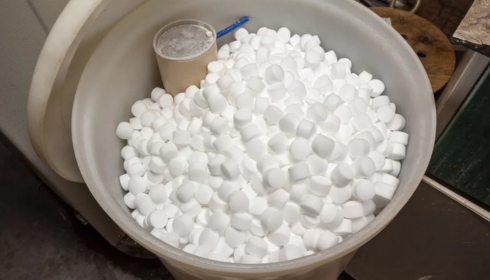
Of course, softeners aren’t magical cure-all devices. They still require upkeep, salt refills, and occasional servicing. But for households dealing with heavy mineral content, the long-term benefits usually outweigh the inconvenience.
Most People Don’t Understand What Causes Hard Water
The phrase “hard water” gets thrown around constantly, but many homeowners never really learn what it means.
Basically, hard water contains elevated levels of dissolved minerals, primarily calcium and magnesium. These minerals naturally enter groundwater as water moves through rock and soil underground before reaching homes.
In some regions, mineral levels stay relatively mild. In others, they become high enough to affect plumbing systems, appliances, and everyday cleaning almost immediately.
That’s why hard water issues vary so much depending on location. Two cities only an hour apart can have completely different water conditions.
And honestly, homeowners sometimes spend years fighting symptoms — buying stronger soaps, cleaning products, or replacement appliances — without realizing their water itself is the underlying issue.
The Science Sounds Complicated, but the Goal Is Simple
Most softening systems rely on a process called ion exchange, which sounds far more intimidating than it actually is.
In simple terms, the system removes hardness minerals like calcium and magnesium from the water and replaces them with sodium or potassium ions. That process reduces the mineral buildup responsible for scaling and soap inefficiency throughout the home.
You don’t necessarily need to memorize the science behind it, though. What most homeowners care about is the result:
- Softer-feeling water
- Less mineral buildup
- Cleaner dishes and fixtures
- Improved appliance performance
- More comfortable bathing and cleaning
And honestly, those practical improvements matter more than technical explanations for most people.
Appliances Notice Hard Water Too
One thing people often overlook is how much mineral buildup affects home equipment behind the scenes.
Water heaters work harder when heating elements become coated in scale. Dishwashers develop buildup internally. Washing machines experience wear over time. Even coffee makers and kettles show signs fairly quickly in homes with severe mineral content.
The frustrating part is that many of these issues happen gradually enough that homeowners adapt to declining performance without realizing why things keep getting worse.
Then someone visits another home with softer water and suddenly notices the difference immediately.
Maintenance Still Matters
Like any home system, water softeners require consistent upkeep.
Salt levels need monitoring. Resin tanks occasionally require servicing. Systems perform best when homeowners actually follow recommended maintenance schedules instead of forgetting about them entirely after installation.
The good news is that most modern systems are fairly manageable once routines are established. And honestly, the maintenance involved usually feels minor compared to constantly scrubbing mineral stains or replacing damaged appliances early.
Better Water Quietly Improves Daily Comfort
That’s probably the most interesting thing about solving hard water issues. The improvements rarely feel dramatic enough for some huge “before and after” moment.
Instead, life simply becomes less irritating.
Cleaning gets easier. Showers feel better. Appliances run more efficiently. Towels stay softer. Dishes stop looking cloudy all the time. Small frustrations quietly disappear into the background where they belong.
And maybe that’s why so many homeowners eventually decide addressing hard water is worth it. Not because they expect luxury, but because daily comfort matters more than people sometimes admit.
A home should work with you, not slowly wear things down around you — including you yourself.