Most people don’t realize how much water affects daily life until something starts feeling slightly wrong. Maybe the shower leaves your skin dry no matter how much moisturizer you use afterward. Maybe your dishes come out spotted even after a fresh dishwasher cycle. Or perhaps your coffee tastes oddly dull lately, even though you’re buying the same beans as always.
At first, these things seem unrelated. Random household annoyances. Easy to ignore.
But over time, many homeowners discover the common thread quietly running through all of it: the water itself.
I remember visiting relatives years ago who lived in an area known for extremely mineral-heavy water. Every faucet in the house had this chalky white crust around it. Their kettle needed cleaning constantly, and the shower glass never looked fully clean no matter how much effort went into scrubbing it. They joked about it often, but honestly, the frustration was real.
That was my first real introduction to how much hard water can influence the feel of an entire home.
The Problem Most People Don’t Notice Right Away
One tricky thing about hard water is that it usually develops as a slow annoyance rather than a dramatic issue. Water containing high levels of calcium and magnesium doesn’t suddenly cause chaos overnight. Instead, it quietly creates buildup over months and years.
Showerheads clog gradually. Appliances lose efficiency. Soap struggles to lather properly. Laundry feels rougher. Hair and skin become drier after bathing.
The frustrating part is how easily people normalize these changes. Humans are surprisingly adaptable when discomfort arrives slowly enough.
A neighbor once told me they thought their dishwasher was simply “getting old” after only a few years. Later, they discovered mineral buildup inside the machine had been reducing its performance the entire time.
Sometimes the appliance isn’t failing. The water is just wearing it down.
Why Water Softeners Became So Popular
As homeowners became more aware of what hard water actually does to plumbing and appliances, many started looking for practical solutions instead of just tolerating the problem.
That’s one reason water softeners have become increasingly common in homes dealing with mineral-heavy supplies. These systems help reduce calcium and magnesium levels before the water moves through the rest of the house.
The improvements are often subtle at first, but they build over time. Soap rinses more easily. Faucets stay cleaner longer. Towels feel softer after washing. Even hot showers become more comfortable on the skin.
And honestly, once people get used to softer water, they usually notice the difference immediately whenever they travel somewhere with untreated hard water again.
Understanding the Science Without Overcomplicating It
A lot of homeowners hear technical phrases while researching water systems online and immediately feel overwhelmed. Terms like “resin tanks,” “regeneration cycles,” or ion exchange sound far more intimidating than they actually are.
At its core, ion exchange is simply a process that helps remove hardness minerals from water by swapping them with softer minerals like sodium or potassium. That’s the simplified version, anyway.
You don’t need an engineering degree to understand the important part: the process helps reduce mineral buildup throughout the home.
And that matters more than people realize because hard water doesn’t just affect comfort. It slowly affects efficiency too.
Hard Water Quietly Increases Household Costs
One thing people often overlook is how much energy waste connects back to water quality.
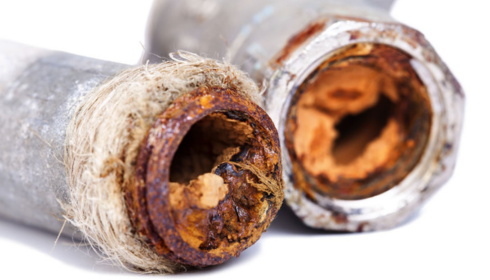
Mineral buildup inside water heaters forces them to work harder. Pipes narrow over time as scale accumulates. Appliances become less efficient. Even washing machines may require more detergent and longer cycles when hard water interferes with cleaning performance.
Individually, these issues don’t seem catastrophic. But month after month, year after year, they quietly increase maintenance costs and utility bills without drawing much attention.
That’s why addressing water quality early often saves money later on, even if homeowners initially install softening systems mainly for comfort reasons.
Why Water Quality Feels Personal
This part doesn’t get discussed enough.
Water affects routines people experience emotionally, not just practically. A relaxing shower after a stressful day. Fresh laundry straight from the dryer. A cup of tea early in the morning before the house wakes up.
When water quality improves, people often describe the change emotionally rather than technically. They say things like, “The house feels cleaner,” or “Showers are finally enjoyable again.”
And honestly, those reactions make perfect sense.
Because water sits quietly inside nearly every routine we rely on daily.
Maintenance Still Matters
Even the best water systems need occasional attention. Salt levels require monitoring. Filters eventually need replacement. Components wear down over time like anything else inside a home.
The good news is that modern systems are generally much easier to maintain than many people expect. Most homeowners quickly settle into simple routines that keep everything functioning smoothly.
And compared to dealing with constant mineral buildup, appliance repairs, or endless cleaning frustration, routine maintenance usually feels worth it.
Why More Homeowners Are Paying Attention Now
People today seem far more aware of what enters their homes overall. We think about air quality, food ingredients, insulation, cleaning products — and naturally, water became part of that larger conversation.
The interesting shift is that homeowners aren’t necessarily chasing luxury anymore. Most simply want homes that feel healthier, easier to maintain, and more comfortable day to day.
Good water supports all of that quietly behind the scenes.
Final Thoughts
Hard water may not sound dramatic compared to major home repairs or renovation projects, but its effects reach surprisingly far into daily life. From appliance performance and plumbing efficiency to skin comfort and laundry quality, mineral-heavy water influences routines people often take for granted.
That’s why more homeowners are finally paying attention.
Not because soft water feels luxurious. But because reliable, comfortable water simply makes everyday life feel a little easier — and honestly, that matters more than people sometimes realize.