Plumbing problems have a way of showing up at the worst possible moment. A toilet starts backing up just before guests arrive, a kitchen sink refuses to drain after dinner, or an unexpected damp patch appears on the floor. What seemed like an ordinary day suddenly turns into a search for answers, towels, and a reliable plumber.
While not every plumbing issue can be prevented, many can be identified early with a little attention and regular maintenance. Understanding how your water supply, drainage, and plumbing fixtures work together can help you protect your property, avoid unnecessary expenses, and make better decisions when something goes wrong.
Why Your Home’s Plumbing Deserves Regular Attention
Most household plumbing systems operate quietly behind walls, beneath floors, and inside cabinets. Fresh water travels through supply pipes to faucets, showers, toilets, and appliances, while wastewater moves through drainage lines and eventually into the appropriate sewer system or onsite treatment arrangement.
Because much of this equipment remains hidden, small faults can go unnoticed for weeks. A loose pipe connection beneath a sink might cause only a few drops of moisture at first. Over time, that moisture can damage cabinetry, weaken nearby materials, and encourage mold growth.
Routine inspections can reveal early signs of corrosion, worn seals, unusual water pressure, and developing leaks. Homeowners can also do a few simple checks themselves. Look beneath sinks occasionally, listen for toilets that keep running, and pay attention to water bills that suddenly increase without an obvious explanation.
These habits don’t require specialist knowledge. They’re simply a way of noticing when something changes before the problem becomes more expensive to fix.
Why Backflow Testing Is Important for Water Safety
Clean drinking water depends on more than the quality of the original supply. It also depends on preventing contaminated water from flowing backward into pipes that carry water for drinking, cooking, and bathing.
This is where backflow testing becomes important. Backflow occurs when water reverses direction because of changes in pressure, potentially allowing contaminated water to enter the clean water supply. The risk can arise from irrigation equipment, certain commercial connections, or other plumbing arrangements where potable water may come into contact with non-potable sources.
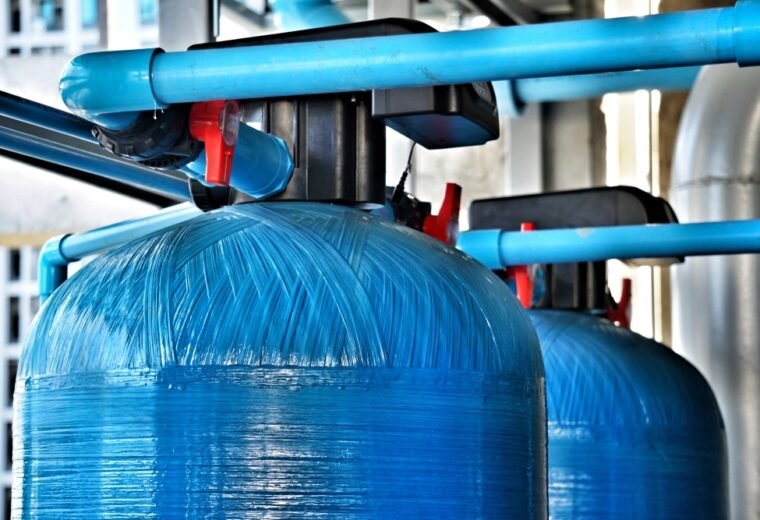
Backflow prevention devices are designed to reduce this risk. Depending on the installation and local regulations, these devices may need periodic inspection and testing by a qualified professional.
For example, a garden hose left submerged in a bucket of cleaning solution can create a potential cross-connection if pressure conditions allow contaminated water to be drawn back into the supply. Suitable protective devices and sensible hose practices help reduce that possibility.
Testing checks whether the prevention assembly is operating as intended. If it fails, a professional can explain the necessary repair or replacement and whether follow-up testing is required.
Homeowners should check local requirements rather than assuming every property follows the same schedule. Certain buildings and water connections face stricter requirements because of their potential contamination risks.
Recognizing Leaks Before They Damage Your Property
Not every plumbing leak produces a visible puddle. Some occur behind drywall, under bathroom flooring, or in pipes running beneath a concrete slab. By the time you notice a stain or smell something musty, moisture may already have affected surrounding materials.
Look for warning signs such as peeling paint, unexplained dampness, warped flooring, or persistent moisture around plumbing fixtures. A sudden increase in water consumption can also indicate a hidden leak, particularly when household habits haven’t changed.
Professional leak detection methods may include acoustic listening equipment, moisture meters, thermal imaging, and pressure testing. These tools help plumbers narrow down the location of a suspected leak without opening every wall or floor unnecessarily.
If you suspect a leak, turn off water-using appliances and faucets and observe your water meter if your system allows it. Continued movement may indicate water loss, although additional investigation may be necessary to confirm the cause.
Act promptly when a leak is suspected. If water is escaping rapidly, shut off the main supply if it’s safe to do so and contact a qualified plumber. Keep clear of electrical equipment or outlets affected by water.
The sooner a leak is identified, the better the chance of limiting damage to flooring, walls, furniture, and other parts of your home.
Understanding the Value of Professional Repair and Replacement
Plumbing fixtures and pipes don’t last forever. Washers wear down, valves become stiff, seals deteriorate, and older pipework may develop corrosion or recurring leaks. Sometimes a straightforward repair is all that’s needed. In other cases, replacing a damaged component is the more sensible long-term choice.
Professional repair & replacement services help address these problems while keeping the wider plumbing system in mind. A good plumber won’t simply treat the most visible symptom without considering what caused it.
Imagine a toilet that keeps running even after you’ve replaced a small internal part. The problem might involve a worn fill valve, an incorrectly adjusted float, or a faulty seal. Replacing the wrong component may waste money without solving the underlying issue.
The same principle applies to water heaters, faucets, and pipework. Repeated repairs can eventually cost more than replacing equipment that’s nearing the end of its useful life. On the other hand, replacing a functioning system simply because it’s old isn’t always necessary.
Ask your plumber to explain the condition of the equipment, the available options, and the expected costs. For major work, a written estimate can help you compare solutions and understand what’s included.
Quality materials and correct installation matter, but so does choosing a repair that suits your home’s actual needs.
Keeping Drains Clear and Sewer Problems Under Control
A slow drain might seem like a minor inconvenience, but recurring blockages can indicate a deeper issue. Kitchen sinks commonly collect grease and food particles, while bathroom drains tend to accumulate hair and soap residue. Over time, this material restricts water flow and creates unpleasant odors.
Basic maintenance can help. Use suitable drain screens, dispose of cooking grease in a container rather than the sink, and remove visible debris before it enters the pipes. Avoid relying on harsh chemical cleaners as a routine solution, since some products can damage certain plumbing materials or create hazardous reactions.
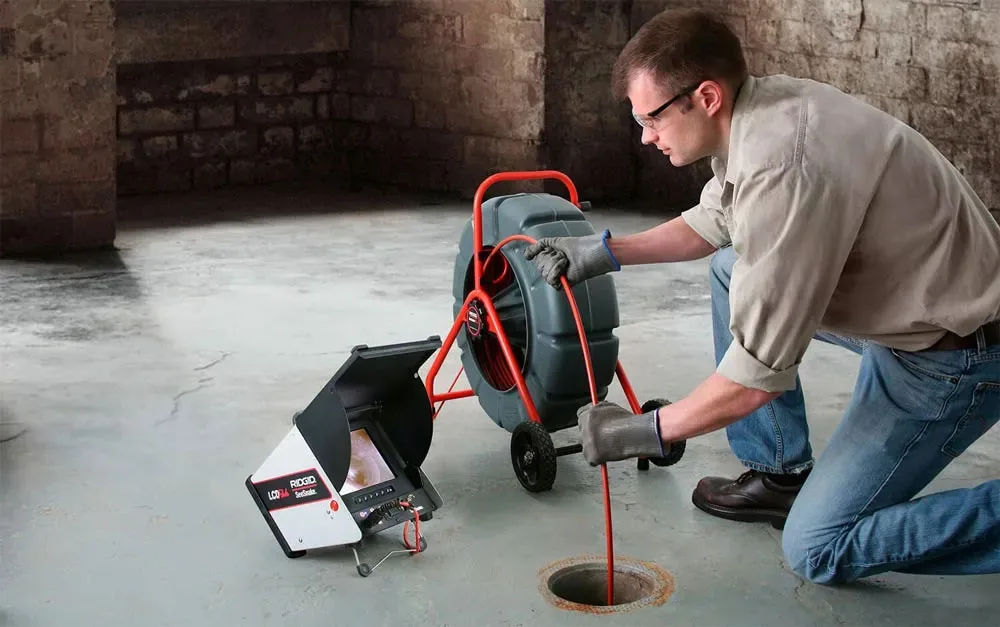
When blockages keep returning, professional drain cleaning or a sewer camera inspection may be useful. A small inspection camera can help locate tree roots, pipe misalignment, heavy buildup, or damaged sections of underground drainage lines.
Pay particular attention when several fixtures become slow at the same time. If toilets, showers, and sinks all begin draining poorly, the problem may involve a shared drain or the main sewer line rather than an individual fixture.
Sewage backing up into the home requires prompt attention. Stop using affected fixtures, keep children and pets away from contaminated water, and contact a qualified plumbing professional. Significant contamination may require specialized cleanup as well as plumbing repairs.
Simple Maintenance Habits That Make a Difference
A few regular checks can help prevent common plumbing headaches. Inspect visible pipes for corrosion, check under sinks for moisture, and repair dripping faucets before they waste water for months.
Know where your main water shutoff valve is located. During a burst-pipe emergency, being able to stop the supply quickly can reduce the amount of water entering your home.
If your property has an older plumbing system, consider periodic professional inspections. The appropriate schedule depends on the materials, water quality, previous repair history, and local requirements.
It’s also worth keeping records of plumbing work. Dates of previous repairs, water heater servicing, and recurring drain problems can help a plumber identify patterns and recommend suitable maintenance.
Choosing a Plumber You Can Trust
When a plumbing issue appears, finding someone reliable matters as much as finding someone available. Look for relevant qualifications, experience with your type of plumbing system, and clear communication about the proposed work.
Ask questions before approving major repairs. What caused the problem? Can it be repaired, or is replacement more practical? Are there signs of additional damage? A professional should explain the answers in understandable terms without pressuring you into unnecessary work.
For urgent problems, prioritize safety and a prompt response. A burst pipe or major sewage backup shouldn’t be left until it’s convenient.
A Little Prevention Can Save a Lot of Trouble
Your plumbing system may spend most of its life out of sight, but it plays an essential role in keeping your home safe and comfortable. Protecting the water supply, identifying leaks early, maintaining drains, and arranging timely repairs can help prevent small faults from turning into major disruptions.
You don’t need to become a plumbing expert overnight. Start with simple checks, take unusual warning signs seriously, and call a qualified professional when a problem requires specialist tools or experience.
A little care today can mean fewer emergencies tomorrow, and that’s a worthwhile investment in any home.