There’s a funny thing about water pressure—you rarely notice it when everything is working as it should. The shower feels steady, the washing machine fills without hesitation, and the kitchen faucet delivers a smooth stream every time you turn the handle. It all feels normal until something changes. Suddenly, weak water flow, noisy pipes, or a pump that seems to run nonstop become impossible to ignore.
For many homeowners who rely on private wells, the pressure tank is one of the hardest-working pieces of equipment on the property. It quietly supports the plumbing system day after day, often without much attention. But when it’s properly chosen and maintained, it does far more than regulate pressure. It helps extend the life of your pump, improves efficiency, and makes daily routines feel effortless.
Understanding What a Pressure Tank Actually Does
A lot of people assume the well pump is responsible for everything. While the pump certainly plays a major role, the pressure tank deserves just as much credit.
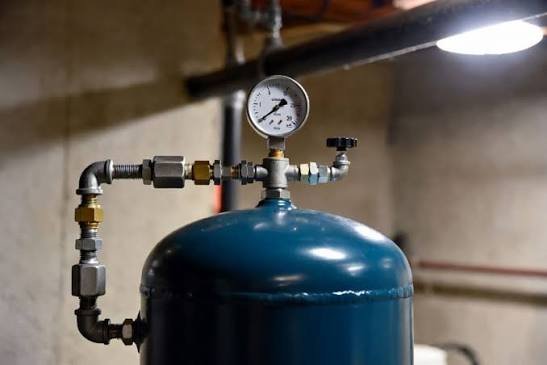
Its primary purpose is to store pressurized water so your pump doesn’t need to switch on every single time someone washes their hands or flushes a toilet. Instead, the tank delivers stored water until the pressure reaches a preset level, allowing the pump to cycle less frequently.
This simple process reduces wear on the pump and creates a much more consistent water flow throughout the home.
Without a properly functioning pressure tank, even a high-quality well pump can struggle to perform efficiently.
Why Quality Matters More Than Price
It’s tempting to choose the least expensive option when replacing a pressure tank. After all, from the outside, many tanks look nearly identical.
The difference becomes clear over time.
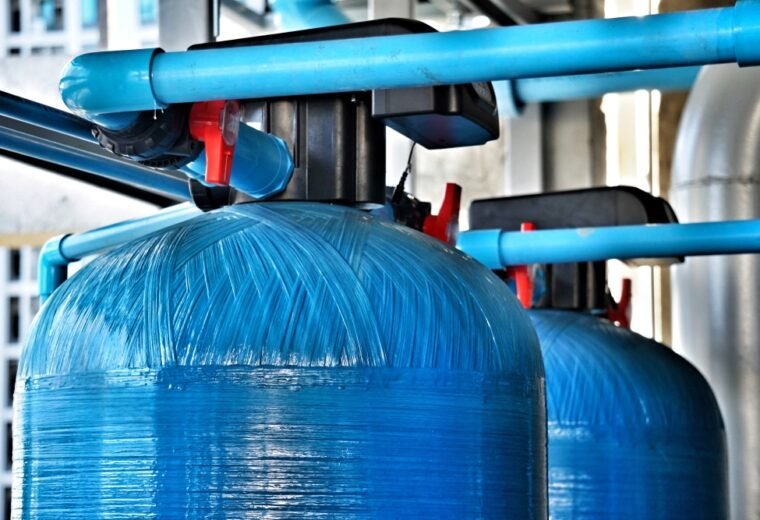
Premium well water pressure tanks are designed with durable internal diaphragms or bladder systems that help maintain stable pressure while resisting premature wear. Better construction also minimizes corrosion, improves reliability, and often provides a much longer service life.
Cheaper alternatives may save money initially, but repeated repairs or early replacement usually erase those savings surprisingly fast.
Sometimes buying quality once really is less expensive than buying twice.
Common Signs Your Pressure Tank Needs Attention
Pressure tanks rarely fail overnight. They usually provide warning signs long before major problems develop.
Some of the most common symptoms include:
- Water pressure constantly rising and falling
- Pump turning on every few seconds
- Air sputtering from faucets
- Unusually high electricity bills
- Waterlogged tank
- Strange clicking sounds near the pressure switch
- Short cycling of the well pump
Ignoring these issues often places unnecessary strain on the entire well system.
Addressing small concerns early usually prevents much larger repairs later.
Why Proper Installation Makes Such a Difference
Even the best pressure tank won’t perform well if it’s installed incorrectly.
Location, plumbing connections, pressure switch settings, air charge, and pipe sizing all influence overall performance. Something as simple as an incorrect pre-charge pressure can affect efficiency and shorten equipment life.
Professional water pressure tank installation ensures the tank is properly matched with the well pump and household demand. Installers also verify pressure settings, inspect safety components, and confirm that every connection is operating correctly before the system goes into regular use.
It isn’t just about connecting pipes—it’s about creating a balanced system that performs reliably for years.
The Relationship Between Your Pump and Pressure Tank
Think of your well pump and pressure tank as teammates.
The pump supplies water from underground, while the pressure tank stores that water under pressure and releases it when needed.
If either component isn’t functioning properly, the entire system feels the impact.
A healthy pressure tank allows the pump to rest between cycles instead of constantly switching on and off. That reduced workload can significantly extend pump life while lowering maintenance costs over time.
Many homeowners are surprised to learn that replacing a failing pressure tank often improves the performance of an otherwise healthy pump.
Choosing the Right Tank Size
One of the biggest misconceptions is that larger always means better.
In reality, selecting the right size depends on several factors:
- Household size
- Number of bathrooms
- Pump capacity
- Daily water usage
- Irrigation systems
- Future expansion plans
An undersized tank may force the pump to cycle too frequently, while an oversized system could represent unnecessary expense.
Matching the tank to your property’s actual requirements creates the best balance between efficiency and cost.
Routine Maintenance Doesn’t Have to Be Difficult
Pressure tanks generally require very little maintenance, but occasional inspections help prevent unexpected failures.
Simple maintenance includes:
- Checking air pressure annually
- Inspecting fittings for leaks
- Monitoring pump cycling frequency
- Listening for unusual noises
- Testing pressure switch operation
- Keeping the surrounding area clean and dry
These quick checks take only a few minutes yet can dramatically improve long-term reliability.
It’s a small habit that often prevents expensive emergency service calls.
Supporting Healthy well systems for the Long Term
A pressure tank doesn’t work in isolation. It’s one part of a much larger network that includes the well, pump, pressure switch, plumbing lines, and filtration equipment.
Healthy well systems depend on every component working together efficiently. When one part begins to fail, the extra workload often spreads throughout the system.
That’s why routine inspections matter so much. Catching minor issues before they escalate protects not only the pressure tank but every connected component as well.
A little preventative maintenance often saves thousands of dollars over the lifespan of the system.
Energy Efficiency Is an Added Bonus
One benefit that doesn’t always get enough attention is energy savings.
When the pressure tank stores sufficient water, the pump cycles less frequently. Fewer start-ups generally mean lower electricity consumption and less mechanical wear.
Over the course of several years, those savings become noticeable—especially for larger households that use significant amounts of water every day.
It’s one of those improvements that quietly pays for itself over time.
Final Thoughts
Most homeowners never think about their pressure tank until something goes wrong. Yet this simple piece of equipment plays an enormous role in keeping daily life running smoothly.
From maintaining steady water pressure to protecting your well pump from unnecessary wear, a properly selected and maintained pressure tank delivers benefits that extend far beyond convenience.
Whether you’re replacing an aging tank, building a new home with a private well, or simply trying to improve your water system’s performance, investing in quality equipment and proper installation is almost always worth it.
Reliable water isn’t something we should have to think about every day—and with the right pressure tank in place, chances are you won’t. That’s exactly how it should be.