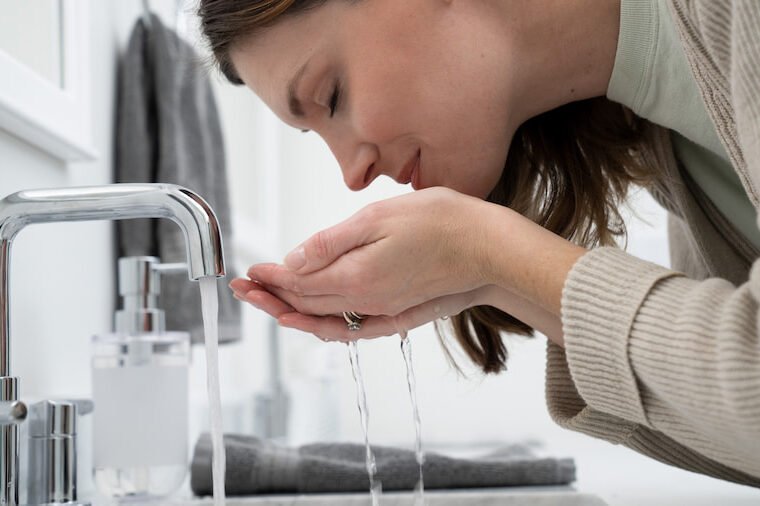
Most of us don’t spend much time thinking about water. We wake up, turn on the faucet, fill the kettle, rinse vegetables, and head off with our day. It’s one of those things that quietly supports almost every routine in the house, so it’s easy to assume it will always be the same.
Then one day, you notice something different.
Maybe the water has a faint swimming pool smell. Your morning coffee tastes slightly off, or the shower leaves your skin feeling unusually dry. At first, you wonder if you’re imagining it. A few days later, the smell is still there.
These changes are surprisingly common, and while they aren’t always a sign that something is seriously wrong, they are worth understanding. Knowing why your water changes from time to time helps you make smarter decisions about your home’s water quality instead of relying on guesswork.
Why Municipal Water Doesn’t Always Taste the Same
Cities work hard to provide safe drinking water, but the treatment process isn’t completely identical throughout the year.
Heavy rainfall, seasonal demand, infrastructure maintenance, and changes in source water can all influence the final water that reaches your home. Treatment facilities regularly adjust their processes to maintain public health standards, which sometimes leads to noticeable differences in taste or smell.
Even neighborhoods within the same city may experience slight variations depending on distribution systems and pipe conditions.
That’s why your water may taste different from one month to the next.
Understanding Chlorine’s Role
One of the most common reasons for changing taste or odor is chlorine in water .
Chlorine has been used for decades because it’s highly effective at reducing harmful microorganisms during water treatment. It plays an important role in protecting public health while water travels through miles of underground pipes before reaching homes.
Although many people appreciate the safety it provides, others notice its distinct smell or taste more than others do.
Sensitivity varies from person to person.
Some households barely notice it, while others immediately recognize even small changes.
Why Some Homes Notice It More Than Others
If your neighbor says their water tastes perfectly fine while yours seems stronger, you’re probably not imagining things.
Several factors influence how noticeable chlorine becomes.
Water temperature, plumbing materials, how long water sits in household pipes, and even your own sense of taste all affect your experience. During warmer months, odors may seem stronger simply because volatile compounds become easier to detect.
Freshly drawn cold water often tastes different from water that’s been sitting in indoor plumbing for several hours.
Small details like these can make a surprisingly big difference.
When It’s Worth Looking Closer
A mild chlorine smell is often expected in treated municipal water.
However, persistent odors, sudden changes, unusual tastes, or noticeable differences that continue for extended periods deserve attention.
Sometimes what seems like chlorine may actually be caused by plumbing materials, water heaters, mineral interactions, or other household conditions.
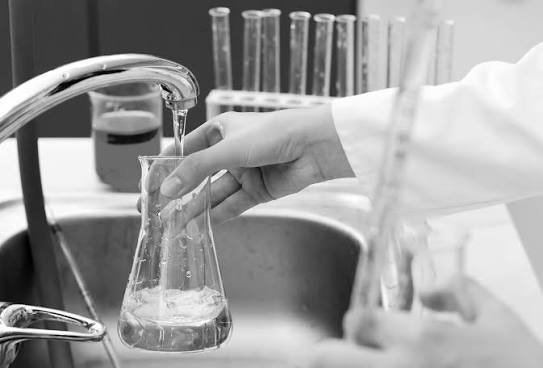
If you’re unsure, professional water testing provides far more reliable answers than assumptions.
Testing removes uncertainty and helps identify the real cause of changing water quality.
Everyday Effects Around the Home
People usually think about drinking water first, but chlorine can influence many other daily activities.
Some homeowners notice dry skin after showering. Others feel their hair becomes harder to manage, or they simply prefer the taste of filtered water for cooking and beverages.
These experiences vary widely from one household to another.
While municipal treatment is designed for safety, individual preferences often influence whether homeowners decide to improve taste and odor within their own homes.
Comfort matters too.
Finding the Right Solution
If you’re experiencing ongoing chlorine issues , the good news is that several treatment options are available.
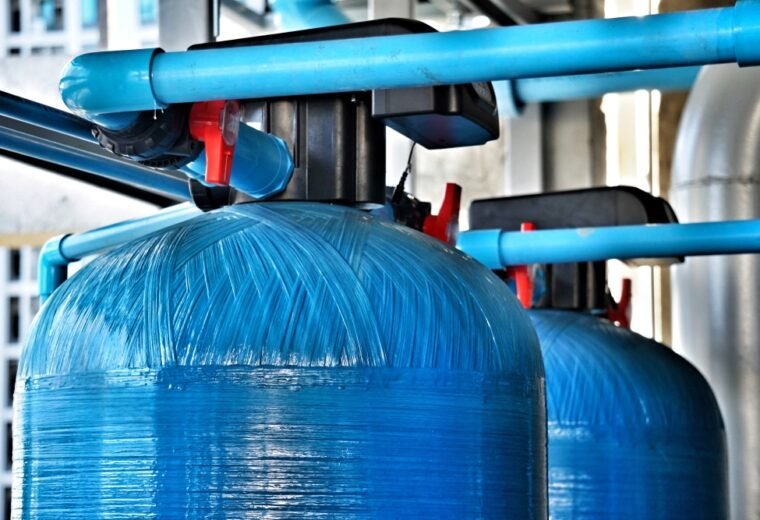
Activated carbon filtration remains one of the most common approaches because it’s designed to improve taste and odor while reducing chlorine levels for household use. Depending on your home’s needs, solutions may range from simple faucet filters to whole-house treatment systems.
The key is matching the equipment to your specific water conditions rather than purchasing the first product you see online.
Understanding the problem always leads to better results.
Better Water Is About More Than Drinking
Improving water quality benefits much more than the glass you pour at dinner.
Filtered water often improves the flavor of tea and coffee, reduces unwanted odors while cooking, and can make showering a more pleasant experience.
Many homeowners also appreciate having water that feels more enjoyable throughout the entire house rather than only at the kitchen sink.
Sometimes the smallest daily improvements create the greatest long-term satisfaction.
Why Maintenance Still Matters
Installing a filtration system isn’t the end of the process.
Like any household equipment, filters require regular replacement to continue performing effectively. Ignoring maintenance eventually reduces performance and may even allow unwanted tastes and odors to return.
Fortunately, most modern systems are designed with straightforward maintenance schedules that homeowners can easily follow.
A few minutes of routine care each year helps ensure consistent results.
Choosing Chlorine Removal Carefully
There isn’t a single solution that’s perfect for every home.
The most effective chlorine removal method depends on your water source, household size, plumbing layout, and personal preferences. Some families only want better-tasting drinking water, while others prefer treating every faucet in the house.
Starting with a water quality evaluation helps ensure you invest in equipment that genuinely addresses your needs rather than paying for features you may never use.
Thoughtful planning almost always saves money over time.
A Little Understanding Goes a Long Way
Water quality isn’t something most of us think about until it changes.
That’s perfectly normal.
But paying attention to unusual tastes, smells, or subtle differences helps you understand your home’s water much better. Regular testing, routine maintenance, and choosing treatment solutions based on accurate information provide lasting confidence.
At the end of the day, clean water isn’t only about meeting standards. It’s about enjoying every cup of coffee, every family meal, every shower, and every glass you pour without second-guessing what’s coming from the tap.
Sometimes the biggest improvement isn’t dramatic at all. It’s simply reaching for the faucet and knowing your water tastes exactly the way you want it to—clean, fresh, and dependable every single day.