There’s something oddly comforting about turning on a tap and not thinking twice. No second guesses, no hesitation, no wondering what’s actually flowing through the pipes. Just clear, clean water doing its quiet job in the background. But for a lot of homes and businesses, that peace of mind doesn’t come naturally—it’s built, maintained, and sometimes fought for.
Water, after all, is one of those things we notice only when something feels off. A strange taste. A faint smell. Or maybe it’s just that nagging thought in the back of your mind: “Is this really as clean as it should be?”
Why Water Quality Still Deserves Your Attention
It’s easy to assume municipal systems take care of everything. And yes, they do a lot. But pipes age, minerals build up, and local conditions vary more than we think. What starts out clean at the source doesn’t always arrive that way.
I’ve seen people ignore subtle signs for months—chalky residue on utensils, slightly dull hair after showers, or even dry skin that just won’t settle. It doesn’t scream “water problem,” but it often is.
That’s where water services come into play. Not as a luxury, but as a practical solution. These services help bridge the gap between what’s supplied and what actually reaches your glass or your showerhead. They’re not flashy, but they matter.
The Quiet Science Behind Better Water
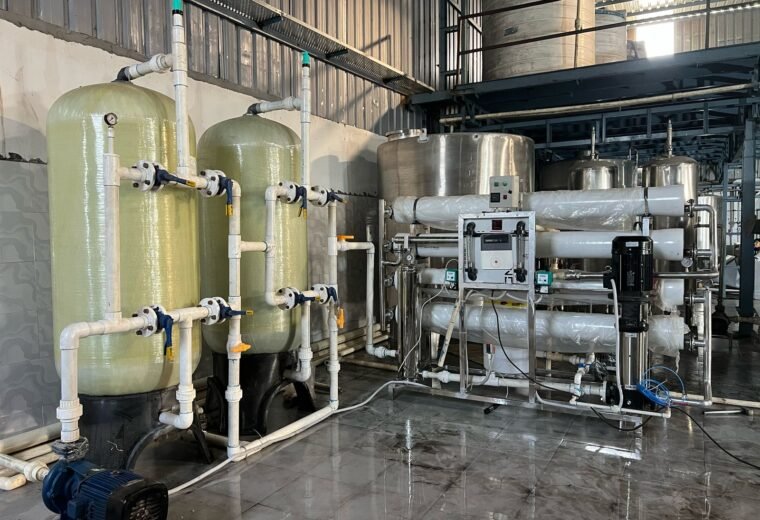
Water treatment isn’t some mysterious industrial process reserved for factories. At its core, it’s about removing what shouldn’t be there—excess minerals, contaminants, even microscopic organisms—and sometimes adding balance back into the water.
But here’s the thing: no two water sources are exactly alike. What works for one household might be unnecessary—or even ineffective—for another. That’s why tailored water treatment services tend to make a noticeable difference.
Think of it like this: you wouldn’t wear someone else’s prescription glasses and expect perfect vision. Water systems work the same way. They need to be matched to the specific problem.
From Installation to Long-Term Care
Getting a system installed is only part of the story. It’s the beginning, really. The real value shows up over time—how consistently it performs, how well it adapts, and how little you have to worry about it.
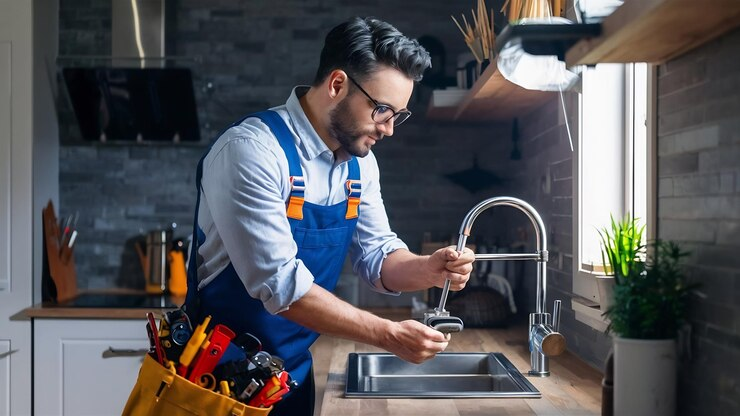
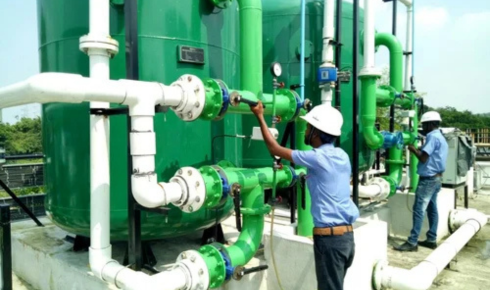
That’s why reliable installation maintenance repairs are just as important as the system itself. A filter that isn’t replaced on time or a unit that isn’t calibrated properly can quietly lose efficiency. And the frustrating part? You might not notice right away.
A good setup isn’t just about hardware—it’s about ongoing care. It’s about someone checking in, making adjustments, and keeping things running the way they should.
Little Changes, Big Differences
What surprises most people is how quickly small improvements in water quality show up in daily life. Laundry feels softer. Tea tastes… cleaner, somehow. Even cooking becomes a slightly better experience.
It’s not dramatic. There’s no grand reveal moment. But over time, it adds up.
And then, one day, you’re somewhere else—maybe traveling, maybe visiting someone—and you notice the difference immediately. The water feels heavier, or tastes flat. That’s when it hits you: you’ve gotten used to better.
Common Misconceptions That Hold People Back
There’s a quiet resistance some people have toward investing in water systems. Maybe it’s the assumption that it’s too expensive, or too complicated, or simply unnecessary.
But often, it’s just a lack of clear information.
Some think bottled water solves everything. It doesn’t. It might help with drinking, sure, but what about bathing? Washing vegetables? Cleaning dishes?
Others assume once a system is installed, it’s set for life. That’s rarely the case. Like anything functional, it needs attention.
And then there’s the “it’s probably fine” mindset. Which, to be fair, might be true. But “fine” isn’t always the same as optimal.
Finding a Setup That Fits Your Reality
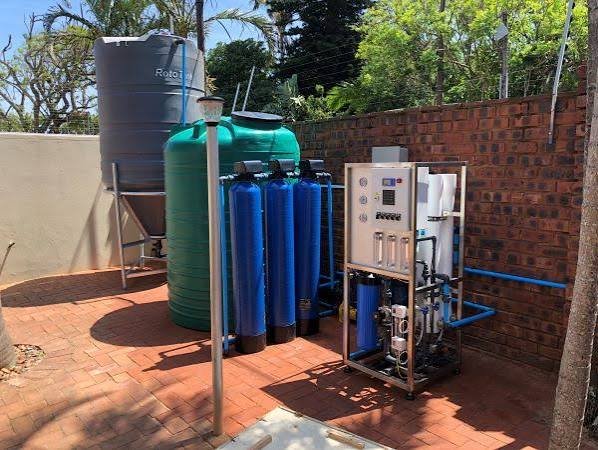
Not every home needs an elaborate filtration system. Sometimes a simple solution does the job beautifully. Other times, especially in areas with hard water or contamination concerns, a more comprehensive setup makes sense.
The key is understanding your water—not guessing.
A basic test can reveal more than you’d expect. From there, decisions become easier, more grounded. You’re not buying into hype; you’re responding to actual conditions.
And honestly, that’s where the smartest choices come from—not from trends or sales pitches, but from clarity.
The Emotional Side of Clean Water
It might sound strange to talk about emotions when discussing water systems, but it’s there. Subtle, but real.
There’s relief in knowing your family is using safe water. There’s comfort in consistency. There’s even a kind of quiet pride in taking care of something so fundamental.
It’s not something you show off. It’s something you feel.
And maybe that’s why it’s often overlooked. Because it works quietly, in the background, without demanding attention.
Wrapping It All Together
At the end of the day, water isn’t just a utility—it’s part of your daily rhythm. From the first glass in the morning to the last rinse at night, it’s there, shaping small moments you barely notice.
Investing in better water quality isn’t about chasing perfection. It’s about reducing uncertainty. It’s about making everyday experiences just a little smoother, a little more reliable.
And once you’ve experienced that shift, even in small ways, it’s hard to go back to not thinking about it at all.
Because sometimes, the best improvements in life are the ones you don’t have to think about anymore.