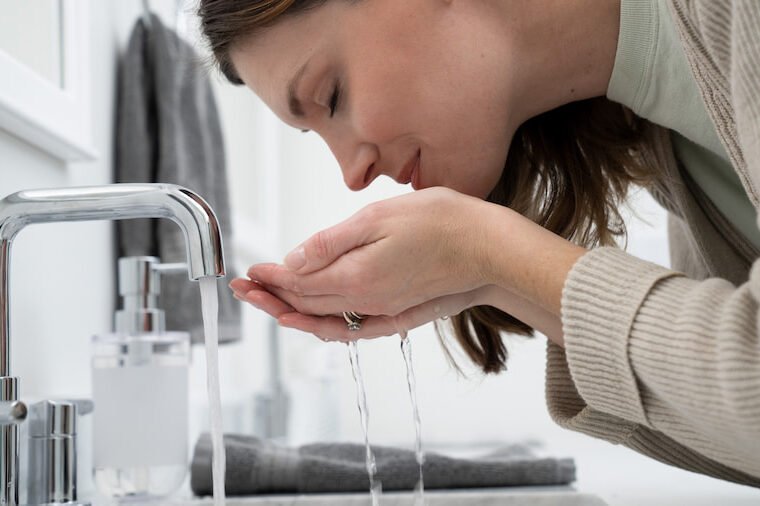
There’s a moment most of us have had — standing at the sink, glass in hand, staring at water that looks perfectly clear. You take a sip. It tastes fine. Maybe even refreshing. And yet, somewhere in the back of your mind, there’s a question that wasn’t there a few years ago:
“What else might be in this?”
It’s not fear, exactly. More like curiosity mixed with a bit of caution. Because water, as simple as it seems, carries a story from its source to your home. And lately, that story has started including some unfamiliar terms.
The Conversation Around PFAS
You may have come across the phrase pfas forever chemicals in news articles or online discussions. It sounds heavy, maybe even a little intimidating. And in some ways, it is.
PFAS refers to a group of man-made chemicals that have been used for decades in various industrial and consumer products — things like non-stick cookware, water-resistant fabrics, and certain types of packaging. The “forever” part comes from their persistence. They don’t break down easily, which means they can remain in the environment, and sometimes in water supplies, for a long time.
That doesn’t mean every water source is heavily contaminated. But it does mean the conversation is worth having.
How These Compounds Reach Your Tap
Water doesn’t exist in isolation. It moves through landscapes, interacts with soil, passes through treatment systems, and travels miles before reaching your home. Along the way, it can pick up trace elements from its surroundings.
This is where regional water sources come into play. Depending on where you live, your water might come from rivers, lakes, groundwater, or a mix of these. Each source has its own characteristics — and its own vulnerabilities.
In areas near industrial activity or certain types of manufacturing, PFAS compounds have been detected at varying levels. In other regions, they may be barely present or not detected at all. It’s not uniform, and that’s what makes it a bit complex.
What It Means for Everyday Life
For most people, PFAS isn’t something you notice directly. It doesn’t have a distinct taste or smell. Your water can look, smell, and taste completely normal while still containing trace amounts.
That’s part of what makes it different from more obvious water issues like chlorine or sulfur. It’s less about immediate sensory experience and more about long-term awareness.
And while regulations and monitoring efforts are evolving, many homeowners are starting to take a more proactive approach — not out of panic, but out of a desire to stay informed.
Small Steps That Make a Difference
If you’re wondering what you can actually do, the answer isn’t complicated — but it does start with information.
Testing your water is one of the simplest and most effective first steps. It gives you a clearer picture of what’s present and helps you decide whether any action is needed. Without that baseline, it’s easy to either overreact or overlook something important.
From there, some people choose filtration systems designed to reduce exposure to pfas compounds. These systems don’t have to be overly complex. In many cases, targeted filtration at the point of use — like your kitchen sink — can make a meaningful difference.
It’s not about eliminating every possible trace. It’s about managing what you can, in a way that feels practical and sustainable.
Balancing Awareness Without Overwhelm
It’s easy to fall into the trap of overthinking water quality. After all, it’s something we rely on every day, and hearing about invisible contaminants can feel unsettling.
But here’s the thing — awareness doesn’t have to lead to anxiety.
Water treatment systems are improving. Regulations are tightening. And information is more accessible than ever before. That combination gives you options, not just concerns.
The goal isn’t to chase perfection. It’s to make informed choices that fit your home and your comfort level.
The Bigger Picture
What’s interesting about this whole conversation is how it shifts the way we think about water. It’s no longer just about whether it’s safe to drink. It’s about understanding where it comes from, what it carries, and how it fits into your daily life.
That awareness doesn’t mean you need to overhaul everything. Sometimes, it just means paying a bit more attention.
And once you do, you start noticing things — not in a worrying way, but in a thoughtful one.
Closing Thoughts
Standing at the sink, glass in hand, you might still see the same clear water. But now, there’s a bit more context behind it. A better understanding of the journey it’s taken and the factors that shape it.
PFAS and other emerging concerns are part of that story, but they’re not the whole story. With the right information and a few practical steps, you can feel more confident about what’s flowing into your home.
And in the end, that’s what matters most — not just trusting your water, but understanding it.