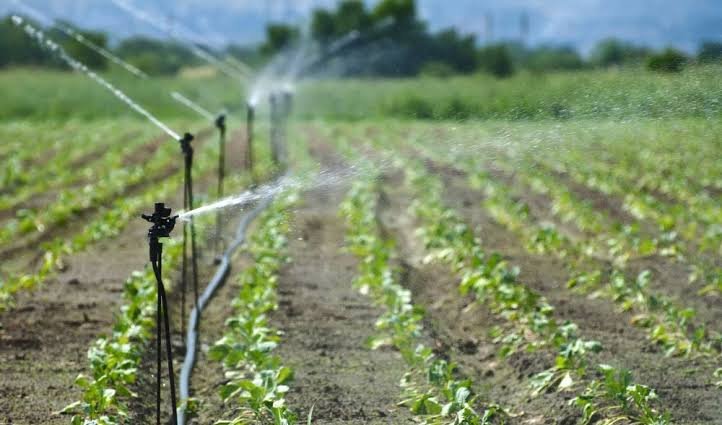
Clean Water Is the Quiet Backbone of Rural Life
Life in the countryside has its own rhythm. Mornings often begin before sunrise, livestock need attention regardless of the weather, and crops certainly don’t wait for convenient schedules. In the middle of all that daily work, one thing quietly supports almost everything else—water.
Whether it’s filling livestock tanks, irrigating fields, washing equipment, or simply providing safe drinking water for the family, dependable water isn’t a luxury on a rural property. It’s part of the foundation that keeps everything moving.
Unlike many urban homes that rely entirely on municipal supplies, rural properties often depend on private wells or local groundwater. While those sources offer independence, they also bring unique water quality challenges that require thoughtful management.
Good water doesn’t happen by chance. It happens through understanding the source, testing it regularly, and treating it when necessary.
Every Well Tells a Different Story
One of the biggest misconceptions about well water is that it’s all basically the same.
In reality, every well has its own personality.
A property a few miles away may have crystal-clear water with very little mineral content, while another well might contain high levels of iron, manganese, sulfur, hardness minerals, or naturally occurring sediment. Even neighboring farms can experience noticeably different water quality because underground geology changes from one location to the next.
That’s why testing is so important.
Clear water isn’t always clean water, and unpleasant odors aren’t always the biggest concern. Some contaminants have no visible signs at all, making professional testing the smartest place to begin before selecting any treatment system.
Rural Water Has Bigger Responsibilities
Water on a rural property works much harder than water in the average suburban home.
It may supply multiple buildings, irrigate gardens or fields, support livestock, clean machinery, fill storage tanks, and provide household drinking water all from the same source.
Because of those demands, farm and rural water solutions are rarely one-size-fits-all. A system designed for a family home often isn’t enough when the same water supply also supports barns, workshops, greenhouses, or irrigation equipment.
Every property has different priorities, and successful treatment begins by understanding how water is actually being used each day.
Hard Water Can Create Hidden Expenses
Hard water is one of the most common issues affecting rural wells.
While it isn’t usually considered dangerous to drink, the minerals it contains gradually leave their mark on plumbing systems and equipment. Scale accumulates inside pipes, water heaters lose efficiency, irrigation nozzles clog, and appliances work harder than they should.
These problems don’t appear overnight.
Instead, they develop slowly until repair bills begin adding up.
Softening or conditioning hard water often protects valuable equipment while reducing maintenance requirements over time. It’s one of those improvements people sometimes appreciate more after they’ve lived with it for a while.
Water Quality Affects More Than Crops
When people think about farming, irrigation usually comes to mind first.
Yet water quality influences far more than plant growth.
Livestock depend on clean water every single day. Dairy operations, poultry farms, horse properties, and cattle ranches all rely on dependable supplies that encourage healthy hydration and support overall animal well-being.
Reliable rural water treatment also benefits produce washing, greenhouse environments, equipment sanitation, and everyday household activities taking place on the property.
Water touches nearly every aspect of farm life, even when it’s easy to overlook.
The Importance of Consistent Testing
Many rural homeowners only test their well when something seems wrong.
Unfortunately, that’s often too late.
Groundwater conditions change over time. Seasonal rainfall, nearby construction, agricultural runoff, and shifting underground water tables may all influence water quality without obvious warning signs.
Routine testing helps identify these changes before they affect plumbing, equipment, crops, or family health.
It removes guesswork and provides accurate information for choosing the most effective treatment methods.
A test performed several years ago offers valuable history, but it shouldn’t replace ongoing monitoring.
Water is dynamic.
Treatment should be too.
Every Farm Has Different Needs
No two agricultural properties operate exactly alike.
A vineyard has different water priorities than a dairy farm. A horse stable requires different treatment solutions than a greenhouse or vegetable operation.
That’s why successful agricultural water systems are designed around specific workloads rather than generic assumptions.
Some properties need sediment removal before irrigation. Others require filtration to reduce iron staining or water softening to protect equipment. Some operations benefit from UV disinfection, while others focus on improving drinking water quality for workers and livestock.
Matching treatment to actual water conditions creates better long-term results than trying to solve every possible problem at once.
Good Water Protects Valuable Equipment
Farm equipment represents a major investment.
Pressure washers, irrigation pumps, sprayers, boilers, water heaters, cooling systems, and processing equipment all rely on water during normal operation.
Poor water quality gradually reduces their efficiency.
Sediment creates wear.
Minerals cause scaling.
Corrosion shortens component life.
Over time, even relatively minor water issues increase operating costs through higher maintenance requirements and unnecessary repairs.
Protecting water quality is often one of the simplest ways to protect the equipment that depends on it every day.
Small Maintenance Habits Deliver Long-Term Benefits
Installing treatment equipment isn’t the finish line.
Filters eventually need replacement. Water softeners require periodic servicing. UV lamps lose effectiveness with age. Storage tanks benefit from inspection, and pressure systems should be monitored regularly.
Fortunately, none of these tasks are especially difficult.
Building a simple maintenance schedule helps keep everything operating efficiently while extending equipment life and reducing the likelihood of unexpected failures during busy farming seasons.
Preventive maintenance almost always proves easier than emergency repairs in the middle of harvest or planting.
Reliable Water Supports Rural Success
Living and working in rural communities often means being more self-reliant. When something breaks, there’s rarely a quick alternative just around the corner.
That’s exactly why dependable water matters so much.
Whether you’re raising livestock, growing crops, maintaining a family homestead, or managing a diversified agricultural business, clean and consistent water supports nearly every task throughout the day. It protects equipment, improves efficiency, supports healthier animals, and creates greater confidence in the quality of the water your family depends on.
At the end of it all, water treatment isn’t simply about solving today’s problems. It’s about preparing for tomorrow’s challenges while protecting everything you’ve worked so hard to build.
When your water is reliable, many other parts of rural life become just a little easier. And on a busy farm, those small advantages often make the biggest difference over time.