
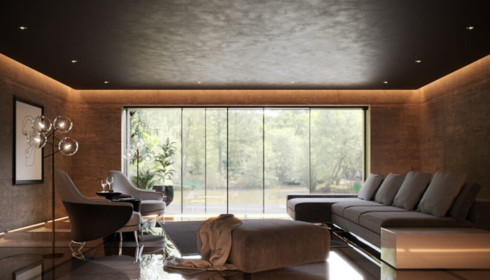
A home can have beautiful architecture, expensive flooring, and perfectly painted walls, yet still feel incomplete somehow. Then someone adds the right chair near a window, a worn wooden table with character, or soft lighting that changes the mood of the room entirely — and suddenly the whole space feels alive.
That’s the funny thing about interiors. The details people live with every day often shape comfort far more than the structure itself.
Furniture, textures, fabrics, and layout choices quietly influence how a home feels emotionally. They affect whether a room invites conversation, relaxation, creativity, or even simple peace after a long day.
And honestly, most people don’t fully realize how much their environment impacts them until they experience a space that genuinely feels right.
Why Homes Are Becoming More Personal Again
For a while, many interiors started looking strangely similar. The same neutral palettes, identical coffee tables, matching social media aesthetics repeated from one house to another.
Beautiful? Sometimes.
Memorable? Not always.
Lately, though, homeowners seem more interested in creating spaces that reflect personality rather than perfection. People want homes that feel lived in, comfortable, and connected to real life instead of carefully staged for photographs.
That shift is one reason custom furnishings have become increasingly popular. Instead of buying mass-produced pieces that almost fit a room, homeowners are choosing furniture designed specifically for their space and lifestyle.
And honestly, it makes a noticeable difference.
A built-in bench beside the kitchen window. Shelving sized perfectly for a favorite book collection. A dining table created for large family gatherings instead of simply filling empty floor space.
Those choices create homes that feel intentional rather than temporary.
Comfort Usually Wins Over Perfection
One thing I’ve noticed about truly inviting homes is that they rarely feel too polished.
There’s warmth in them.
Texture.
Signs of actual life happening.
Maybe the sofa has softened over time from years of movie nights. Maybe the dining chairs don’t perfectly match, but somehow the room feels more welcoming because of it. Those imperfections create personality.
Good interiors don’t need to feel flawless. In fact, spaces that are overly styled sometimes become uncomfortable because people are afraid to actually use them.
That’s why thoughtful interior furnishings matter so much. They’re not simply decorative objects filling empty rooms. They shape how people move, gather, relax, and connect inside a home.
A well-placed chair can turn an unused corner into someone’s favorite reading spot. Layered lighting can completely change the atmosphere of a room after sunset. Even soft textures — rugs, fabrics, natural wood — affect whether a space feels calming or cold.
Design works quietly like that.
Trends Come and Go, But Comfort Lasts
Every year introduces another furniture trend. Curved sofas. Ultra-minimal interiors. Bold statement pieces that flood social media for six months before disappearing entirely.
Some trends genuinely inspire creativity.
Others age surprisingly fast.
The homeowners who seem happiest long-term usually focus less on trend-chasing and more on timeless comfort.
Natural materials tend to age beautifully. Neutral foundations allow flexibility over time. Well-made furniture outlasts quick online purchases that lose appeal after a season or two.
And honestly, timeless doesn’t mean boring.
A home can still feel deeply personal without following every passing aesthetic trend online. Sometimes individuality comes from mixing styles naturally instead of trying too hard to create perfection.
The best rooms often evolve slowly over years rather than appearing fully designed overnight.
Furnishings Shape the Emotional Feel of a Space
People often underestimate how strongly furniture arrangement affects mood.
A cramped room creates tension.
Poor lighting drains energy.
Overcrowded layouts feel exhausting after a while.
On the other hand, thoughtfully chosen home furnishings can make a space feel instantly calmer and more welcoming. Comfortable seating encourages conversation. Open layouts improve movement. Softer textures reduce the harshness many modern interiors accidentally create.
Even practical details matter more than people realize:
- Storage that reduces visible clutter
- Tables sized properly for the room
- Durable materials that age gracefully
- Flexible seating for everyday use
- Lighting that changes naturally throughout the day
These things quietly improve daily life without constantly drawing attention to themselves.
And honestly, that’s usually the sign of good design.
A Home Should Reflect Real Life
One of the biggest mistakes people make when decorating is designing entirely for appearances instead of reality.
A house should support the people living inside it.
Families with children need durable materials and forgiving layouts. People who work from home need spaces that feel productive without becoming isolating. Frequent hosts may prioritize gathering areas and comfortable seating over formal design features nobody actually uses.
Personalization matters because no two households function exactly the same way.
The most memorable homes usually tell a story about the people living there — their habits, routines, memories, and personalities layered naturally into the space over time.
That authenticity creates warmth no expensive showroom can fully replicate.
The Best Interiors Don’t Scream for Attention
At the end of the day, beautifully furnished homes rarely rely on dramatic statements alone. Instead, they create comfort quietly.
The lighting feels soft in the evening.
The seating invites people to stay longer.
The materials feel warm instead of sterile.
Those details shape everyday experiences in ways homeowners gradually come to appreciate more over time.
And honestly, that’s what good interior design should do.
Not create spaces that feel untouchable or intimidating, but homes that make people feel relaxed, comfortable, and genuinely happy to walk through the front door after a long day.
Because long after trends disappear and styles evolve, comfort is usually the thing people remember most