
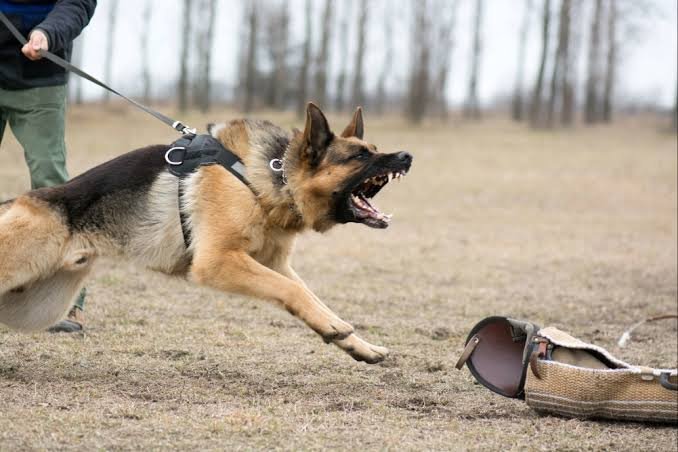
Aggressive dog behavior can be stressful, unpredictable, and difficult to manage without the right approach. Aggressive dog training is not simply about stopping barking, growling, lunging, or snapping. The goal is to understand what drives the behavior, establish clear expectations, and teach a dog how to respond appropriately when faced with triggers.
With consistent training, structured routines, and professional guidance from Rob’s Dog Training when needed, owners can create safer and more manageable interactions at home and in public.
What Causes Aggressive Dog Behavior?
Aggression is a behavior, not a breed trait or personality label. Dogs may react aggressively because of fear, frustration, territorial instincts, resource guarding, overexcitement, poor socialization, learned behavior, or a lack of impulse control.
Common warning signs can include:
- Growling or snarling
- Stiff body posture
- Intense staring
- Barking or lunging
- Showing teeth
- Snapping
- Biting
- Guarding food, toys, spaces, or people
The trigger matters just as much as the visible behavior. A dog that lunges at unfamiliar dogs may have different underlying needs from one that guards food or reacts when someone approaches its owner.
That is why effective behavior modification starts by identifying patterns rather than treating every aggressive response the same way.
Why Aggressive Dog Training Requires Structure
Dogs learn through repetition and consequences. If a dog repeatedly practices lunging at people, rushing the door, or guarding resources, the behavior can become increasingly familiar and difficult to interrupt.
Structure gives the dog clearer boundaries.
Consistent expectations can help dogs understand what behavior is appropriate in different situations. Basic obedience commands such as sit, down, stay, place, and recall can also become valuable tools for redirecting attention before a dog becomes overwhelmed.
However, obedience alone is not always enough. A dog may know how to sit in a quiet room but struggle to respond when another dog, stranger, or exciting distraction appears.
Effective aggressive dog training therefore needs to move beyond controlled exercises and gradually introduce real-world distractions.
Identify the Trigger Before Training the Response
One of the most useful steps owners can take is to identify what happens immediately before an aggressive response.
Ask:
- What triggered the behavior?
- How close was the trigger?
- What did the dog do first?
- How quickly did the reaction escalate?
- What happened after the dog reacted?
- Could the situation have been interrupted earlier?
Keeping track of these details can reveal patterns.
For example, a dog may tolerate another dog from 50 feet away but begin staring, stiffening, or barking when that distance decreases. That early response provides important information. Instead of waiting for a full reaction, the handler can work on redirecting the dog while it is still capable of responding.
Recognizing these early signs is an important part of managing reactivity and improving impulse control.
Aggressive Dog Training Should Teach Alternative Behaviors
Simply telling a dog what not to do does not automatically teach it what to do instead.
A better training plan provides an alternative response.
For example, a dog that reacts when visitors enter the home may learn to go to a designated place instead of rushing toward the door. A dog that becomes reactive around other dogs may practice focusing on the handler and following obedience cues before the situation becomes overwhelming.
The replacement behavior should be realistic and repeatable.
Useful skills can include:
- Reliable recall
- Loose-leash walking
- Place training
- Stay and duration control
- Handler focus
- Impulse control
- Calm greetings
- Leave-it commands
- Appropriate disengagement from distractions
The purpose is not to create a dog that never notices another person or animal. The objective is to build enough control that the dog can notice a trigger without immediately reacting to it.
Socialization Is Not the Same as Forced Interaction
Socialization is sometimes misunderstood as exposing a dog to as many people and animals as possible.
For a reactive or aggressive dog, forcing interaction can make matters worse.
Good socialization should help a dog become more comfortable and capable of functioning around different environments, sounds, people, animals, surfaces, and distractions. It does not mean every dog needs to greet every person or play with every dog.
Distance can be an important training tool.
If a dog remains calm while observing a trigger from a manageable distance, the handler has an opportunity to reward appropriate behavior and build confidence. As the dog becomes more reliable, training can gradually become more challenging.
Progress should be measured by improved responses, not by how quickly a dog can tolerate difficult situations.
Management Is Part of Aggressive Dog Training
Training takes time. Until a dog has developed reliable skills, owners should manage situations that could lead to dangerous behavior.
Management may involve:
- Using appropriate leashes and equipment
- Avoiding unnecessary trigger exposure
- Creating separation inside the home
- Securing doors and gates
- Supervising interactions with children
- Keeping food and valuable resources separated when necessary
- Using a properly introduced muzzle when appropriate
Management is not a failure of training. It reduces opportunities for the dog to rehearse unwanted behavior while the new skills are being developed.
Safety should always come before proving that a dog can handle a difficult situation.
When Should You Work With a Professional?
Professional guidance can be especially valuable when a dog has bitten someone, repeatedly attempts to bite, shows severe resource guarding, reacts unpredictably, or becomes difficult for the owner to control.
A qualified trainer can assess the dog’s behavior in context and help determine what skills, structure, management strategies, and training environment are appropriate.
Rob’s Dogs, for example, begins with a professional behavioral assessment and offers customized training through private lessons and board and train programs. Its training approach also includes practicing obedience around real-world distractions rather than relying exclusively on isolated sessions.
For owners dealing with serious aggression, getting professional input early can provide a clearer path forward.
Why Consistency Matters More Than Quick Fixes
Aggressive dog training does not end when a dog performs well during one session.
Dogs need to apply their skills across different environments and situations. A dog that behaves calmly at home may react differently at a park, on a sidewalk, around visitors, or in a busy shopping area.
This is why consistency matters.
Owners should use the same expectations and cues throughout daily life. Short, regular practice can reinforce the behaviors a dog is expected to perform. Training should also progress gradually so the dog has repeated opportunities to succeed.
The goal is dependable behavior, not a temporary performance.
Building a Safer Relationship Through Training
Aggressive behavior can change the way owners interact with their dogs. Walks may become stressful. Visitors may be difficult to manage. Everyday situations can feel unpredictable.
The right training approach can change that dynamic.
Instead of constantly reacting to a dog’s behavior, owners can learn to recognize triggers, manage difficult situations, communicate clearly, and reinforce appropriate responses. Dogs, in turn, receive clearer boundaries and more predictable expectations.
Aggressive dog training is ultimately about creating better communication and safer choices. When obedience, impulse control, behavior modification, and real-world practice work together, dogs have more opportunities to respond appropriately instead of relying on instinctive reactions.
If your dog is showing aggression, don’t wait for the behavior to become more difficult to manage. Consider a professional assessment and a structured training plan designed around your dog’s specific behavior and needs. Rob’s Dogs offers professional dog training options for owners who want practical guidance and more reliable behavior in everyday situations.