
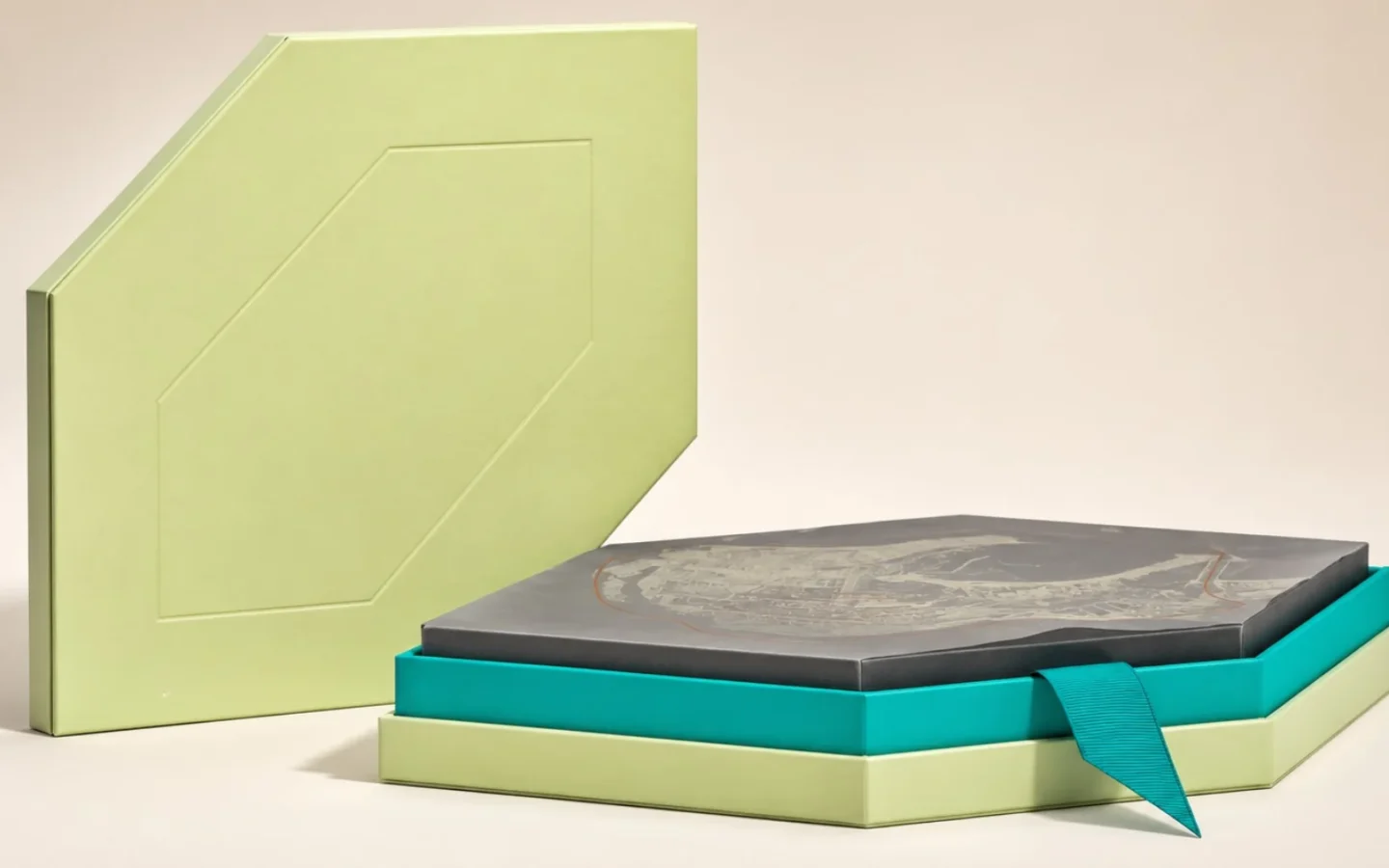
Books are more than pages held together between two covers. For authors, publishers, businesses, schools, and organizations, a well-made book represents quality, credibility, and lasting value. When durability and presentation matter, hardbound book printing offers a practical solution. With sturdy covers, strong binding, and professional finishing, hardbound books are designed to withstand frequent handling while maintaining an attractive appearance.
What Is Hardbound Book Printing?
Hardbound printing involves producing books with rigid covers, usually made from board and covered with printed paper, cloth, or other suitable materials. The pages can be printed on different paper stocks depending on the purpose of the book. The binding process keeps the pages securely attached and gives the finished product a premium, long-lasting feel.
This format is commonly used for novels, reference books, portfolios, annual reports, academic publications, coffee-table books, and special editions. It is especially useful when a book is expected to remain in good condition for several years.
Why Choose Hardbound Books?
One of the biggest advantages of hardbound books is durability. Compared with many softcover formats, rigid covers provide better protection against bending, tearing, and everyday wear. This makes them suitable for books that are frequently handled or stored for long periods.
Hardbound books also create a more professional impression. A carefully designed cover, quality paper, and precise finishing can turn an ordinary publication into something that feels special. For authors and businesses, that visual appeal can make a meaningful difference when presenting work to readers, customers, or clients.
Finding Reliable Binding Services Nearby
When searching for hardbound binding near me , it is important to look beyond location alone. A nearby printing company may be convenient, but the quality of its binding, finishing options, paper selection, and printing equipment should also be considered.
Before placing an order, ask about the types of hard covers available, page-count limitations, paper choices, cover lamination, foil stamping, embossing, and expected production time. Seeing physical samples can also help you understand the quality you can expect from the final product.
Important Factors to Consider
The number of copies is one factor that can affect the overall printing cost. Larger orders may provide better per-book pricing, while smaller quantities can be useful for personal projects or limited editions. Book size, paper thickness, color printing, cover material, and finishing requirements can also influence the final price.
It is equally important to prepare your artwork correctly. The cover design should account for the spine width, front cover, back cover, and necessary margins. A professional printer can usually provide specifications or templates before production begins.
Professional Finishing Options
Hardbound books can be customized in several ways. Matte or glossy lamination can provide additional surface protection, while foil stamping can create an elegant appearance. Embossing and debossing are also popular for titles, logos, and decorative elements.
For premium publications, combining quality paper with carefully selected cover materials can produce a distinctive finished book. Even simple designs can look impressive when printing and binding are handled accurately.
Choosing the Right Printing Partner
A reliable printing partner should offer consistent print quality, strong binding, accurate trimming, and dependable turnaround times. Customer reviews, previous samples, and clear quotations can help you compare different providers.
It is also worth discussing your project requirements before confirming the order. A good printer should be able to explain suitable paper stocks, binding methods, finishing choices, and production timelines based on the type of book you are creating.
Conclusion
Hardbound books remain a popular choice because they combine durability with a polished, professional appearance. Whether you are publishing a novel, producing an academic project, creating a company publication, or preserving an important collection, the right printing and binding process can significantly improve the final result. By comparing materials, finishes, prices, and local printing expertise, you can create a book that looks impressive and remains useful for years.