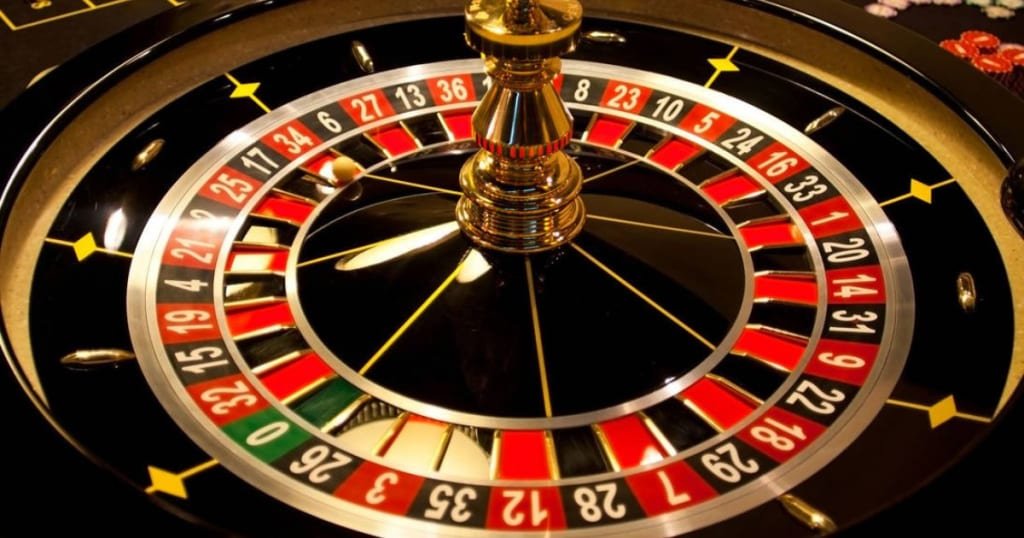
There’s something strangely fascinating about numbers. A few digits on a screen can create curiosity, anticipation, and sometimes a lot of unnecessary excitement. This is one reason matka-style gambling has remained part of popular culture for decades. What started as a largely offline activity has gradually found its way into the digital world, where results, charts, predictions, and gambling-related terminology are only a few taps away.
Yet the attraction of numbers can sometimes hide an uncomfortable reality: these games involve uncertainty, and there is no guaranteed formula for winning. Understanding the terminology and the psychology behind the activity can help people look at it with a more balanced perspective.
From Traditional Matka to Online Platforms
Matka has a long history in India. Traditional versions involved physical drawings and number-based betting, with information often travelling through local networks and word of mouth. Over the years, different markets and variations developed, each with its own names and terminology.
The internet has changed the landscape considerably. Today, people can find matka-related information through websites, mobile devices, social media, and online communities. Searches for golden matka may lead users to result pages, historical charts, or discussions surrounding particular markets.
But easy access can be misleading. Just because information is available online doesn’t mean it is accurate, legal, or safe. A professional-looking website can still make claims that have little evidence behind them.
Why Numbers Create So Much Interest
The appeal of number-based gambling is partly psychological. People naturally enjoy finding patterns. If a particular number appears several times, it can feel meaningful. If another number hasn’t appeared recently, it may seem as though its turn is coming.
That’s where things can get tricky.
Random events don’t necessarily follow the patterns our brains expect. A number that appeared yesterday isn’t automatically more likely to appear tomorrow, and a number that hasn’t appeared for several rounds isn’t necessarily “due.”
The human brain likes stories and connections. Gambling, unfortunately, can turn that natural tendency into false confidence.
Understanding Charts and Previous Results
Charts are a familiar feature of matka discussions. They can provide a record of previous outcomes, making it possible to see how numbers have appeared over time.
Historical information can be interesting from a statistical or cultural point of view. What it cannot do is guarantee a future outcome.
Imagine flipping a fair coin several times and getting heads repeatedly. You might feel that tails must be coming next. But the coin doesn’t remember the earlier flips. Each new result remains uncertain.
The same basic principle is important when considering gambling results. A chart records history; it doesn’t control the future.
What Does “Final Ank” Mean?
The phrase final ank is commonly encountered in conversations surrounding number-based gambling. In general usage, “ank” refers to a digit or number, while “final” suggests the concluding or final number associated with a particular result or calculation.
Terminology can vary between different matka communities and platforms, so users shouldn’t assume that every website uses the same definitions. If you’re researching the subject, it’s worth checking the context rather than relying on a single anonymous source.
This is especially important online because gambling terminology can sometimes be used as marketing language. A complicated-looking term can sound authoritative even when it has no predictive value.
The Rise of Predictions and “Sure-Shot” Claims
One of the biggest problems surrounding online gambling content is the number of prediction claims. You may come across people promising “sure-shot” numbers, guaranteed results, or special techniques that supposedly make winning easier.
It’s sensible to be skeptical.
There is no magic sequence that can reliably transform a game of chance into a guaranteed income stream. Someone may get a prediction right, of course. But a correct prediction doesn’t prove that the underlying method works consistently.
People tend to remember successful predictions more vividly than failed ones. That can make an unreliable system appear much more accurate than it really is.
Financial Risks Should Come First
The excitement of gambling can make financial decisions feel smaller than they actually are. Someone might begin with a modest amount, lose it, and then decide to increase the next wager to recover the money.
That’s a dangerous road.
Chasing losses can quickly turn an occasional activity into a financial problem. Essential household money, rent, savings, education funds, or borrowed money should never be treated as gambling capital.
A useful rule is straightforward: if losing the money would cause stress or affect your basic expenses, don’t risk it.
Online Safety Matters Too
Financial risk isn’t the only concern. Online users should also think about privacy and cybersecurity.
Unknown gambling-related websites may request phone numbers, payment information, identification details, or other personal data. Before providing anything, users should consider whether the platform is legitimate and whether the activity is legally permitted in their location.
Avoid clicking suspicious links, downloading unknown applications, or sharing sensitive information with strangers promising guaranteed winnings. A little caution online can prevent a much bigger headache later.
Gambling Laws Can Vary
Another point that often gets overlooked is the legal side. Gambling regulations can differ across Indian states and may also depend on the specific type of activity involved.
The legal status of online gambling, games of chance, betting, and related services isn’t something that should be assumed from social media posts or comments.
Anyone considering participation should check the current rules applicable to their own location and understand what activities are permitted before proceeding.
Keeping Perspective in a Number-Driven World
Matka culture has survived because it combines tradition, numbers, anticipation, and social curiosity. Technology has simply given it a new environment.
But the digital format can make gambling seem more casual than it really is. A smartphone removes many of the physical barriers that once existed. Results can be checked instantly, and another wager may be only a few taps away.
That convenience makes personal boundaries even more important.
Taking a break, setting a strict spending limit, and refusing to chase losses are basic but meaningful safeguards. If gambling starts interfering with relationships, work, savings, or peace of mind, stepping away is the healthier choice.
Final Thoughts
Golden Matka and final ank are examples of the terminology that has developed around a much broader gambling culture. Understanding these terms can be useful, but understanding the risks is more important.
Numbers can be entertaining to study. Charts can be interesting. Predictions can certainly attract attention. None of those things, however, changes the fundamental uncertainty involved in games of chance.
The smartest approach is to stay informed, question exaggerated claims, protect personal and financial information, and never treat gambling as a dependable source of income.
Sometimes the most valuable number isn’t the one you hope will win. It’s the amount you’re prepared not to lose.