It’s easy to underestimate a front door. You see it every day, use it without thinking, and most of the time, it just blends into the background. But then you come across a home where the entrance feels… different. More intentional. More complete. And suddenly, you realise—this detail actually matters.
A lot more than we give it credit for.
When Simplicity Works Better Than You Expect
Not every home needs a grand entrance. In fact, some of the most inviting spaces I’ve seen had the simplest setups—clean lines, no unnecessary extras, just something that fits naturally.
That’s where single iron doors tend to shine. They don’t try to dominate the space, and that’s exactly why they work. Compact, sturdy, and visually balanced, they’re ideal for homes where you want a strong presence without overwhelming the design.
I’ve noticed this especially in smaller entryways. A well-designed single iron door doesn’t feel like a compromise—it feels like a smart choice. It gives you durability and style, but keeps things grounded.
The Subtle Power of First Impressions
The front door isn’t just something you walk through—it’s something people notice before they even step inside. It sets the tone, quietly, without making a big deal out of it.
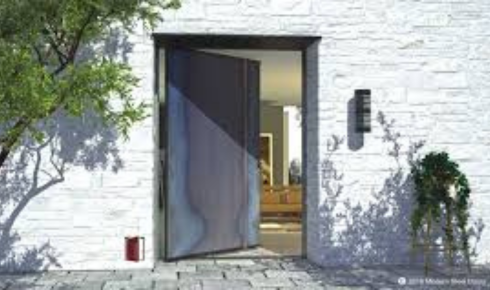
That’s where iron entry doors come into play. They carry a certain weight—not just physically, but visually. There’s a confidence to them, a sense that the space behind them is cared for.
But it’s not just about appearance. Iron holds up well over time. It doesn’t warp like wood sometimes can, and with the right finish, it weathers changing conditions without losing its appeal.
There’s also something timeless about it. Trends come and go, but iron seems to stay relevant, adapting without trying too hard.
When Practicality Leads the Way
Of course, not every decision is about aesthetics. Sometimes, it comes down to what works best on a day-to-day level.
That’s where steel entry doors often make sense. They’re known for their strength and reliability, which is exactly what many homeowners are looking for. Steel handles wear and tear with very little fuss, and it tends to require less maintenance over time.
What’s interesting is how much the design side has evolved. Steel doors aren’t limited to plain or industrial looks anymore. With modern finishes and detailing, they can fit into a variety of styles—minimal, contemporary, even slightly traditional.
So you’re not really sacrificing style for practicality. You’re just leaning a bit more toward long-term ease.
Living With Your Choice
One thing people don’t always think about is how often they’ll interact with their front door. It’s not just a visual feature—it’s part of your routine.
You open it when you’re in a hurry. Close it when you’re tired. Use it without thinking when your hands are full. And over time, those small interactions start to matter.
A door that sticks or creaks becomes a daily annoyance. One that works smoothly? You barely notice it—and that’s actually a good thing.
Because when something functions well, it fades into the background. It supports your day instead of interrupting it.
It’s Not Just About Looks
There’s always a temptation to focus on appearance first. And yes, how a door looks is important. But the real value shows up over time.
How does it handle the weather? Does it still feel solid after months of use? Does it require constant adjustments, or does it just… hold up?
These are the things that determine whether you’re happy with your choice long-term.
And more often than not, they come down to material and build quality rather than just design.
Finding What Feels Right
There’s no single “best” door for every home. It depends on the space, the climate, and honestly, personal preference.
Some people prefer the character of iron. Others lean toward the straightforward reliability of steel. Some want something bold, others something understated.
And that’s okay.
The goal isn’t to find the perfect option—it’s to find the one that feels right for your space and your lifestyle.
A Quiet Ending
In the end, a front door is one of those things that quietly shapes your daily experience. It’s there when you leave, there when you return, marking the transition between outside and inside.
And when it’s chosen well, it does its job without asking for attention. It just fits—into your home, your routine, your life.
Maybe that’s what makes a good door. Not how much it stands out, but how naturally it belongs.